The Waiting Room Is Already Too Late
Picture this: a frantic pet owner is sitting in your parking lot, wrestling a yowling cat in a carrier while simultaneously trying to fill out a paper intake form on their lap, their anxious golden retriever panting in the back seat, and their phone ringing with a call from work. They're stressed. Their pets are stressed. And when they finally walk through your clinic door — slightly disheveled and deeply unimpressed — the first thing they encounter is a clipboard and a pen that may or may not work.
Welcome to the modern veterinary experience. Or rather, welcome to what it shouldn't be anymore.
The truth is, most veterinary clinics are sitting on a goldmine of operational efficiency and client satisfaction improvements — and they're leaving it buried under paper forms, phone tag, and waiting room bottlenecks. A digital check-in system that begins before the client's car even pulls into your parking lot isn't a luxury. It's quickly becoming the baseline expectation for any practice that wants to retain clients, reduce staff burnout, and actually keep appointments running on time. So let's talk about how to make it happen.
The Real Cost of a Broken Check-In Process
Your Front Desk Staff Are Drowning — and It's Not Their Fault
Veterinary receptionists are some of the hardest-working people in healthcare, full stop. They're managing incoming calls, checking in walk-ins, handling upset clients, updating records, and somehow doing it all with a smile while a parrot screams in the background. The problem isn't the people — it's the process. When check-in doesn't begin until a client is physically standing at the counter, everything stacks up at exactly the wrong moment.
According to a study by the American Animal Hospital Association (AAHA), front desk inefficiency is one of the top contributors to appointment delays and client dissatisfaction in veterinary practices. When intake forms, medical history updates, and insurance confirmations are all handled on-site, you create a predictable bottleneck every single appointment block. Multiply that by 20 or 30 appointments a day, and you're looking at a system that's perpetually playing catch-up.
The Hidden Revenue Problem: No-Shows and Late Arrivals
Late arrivals aren't just an annoyance — they're a revenue leak. When a client shows up ten minutes late for a thirty-minute appointment, you're either rushing the exam (not ideal when you're checking for heart murmurs) or pushing every subsequent appointment back like a very stressful row of dominoes. And no-shows? The American Veterinary Medical Association estimates that no-shows and last-minute cancellations can cost a practice thousands of dollars per month in lost revenue.
A pre-arrival digital check-in system combats this directly. Automated reminders sent via text or email — ideally triggered 48 hours, 24 hours, and two hours before the appointment — dramatically reduce no-shows. When clients are prompted to confirm their appointment and begin the check-in process on their phone, they're mentally engaged. They've already invested a few minutes into the visit. They show up. It sounds almost too simple, but it works.
Client Experience Is Your Most Underrated Competitive Advantage
Pet owners have options. In most markets, there's another veterinary clinic within a reasonable drive. What keeps clients loyal isn't just clinical excellence — it's how they feel during every interaction with your practice. A smooth, modern check-in experience signals that you respect their time, value their business, and run a professional operation. A paper form on a clipboard signals... something rather different.
Google reviews don't typically say "Dr. Martinez gave my dog an excellent auscultation." They say "The staff was so organized and the whole process was smooth and stress-free." That's the power of experience design, and it starts before the appointment — not during it.
Where Technology — and Stella — Can Step In
Automating Intake Before the Visit Even Begins
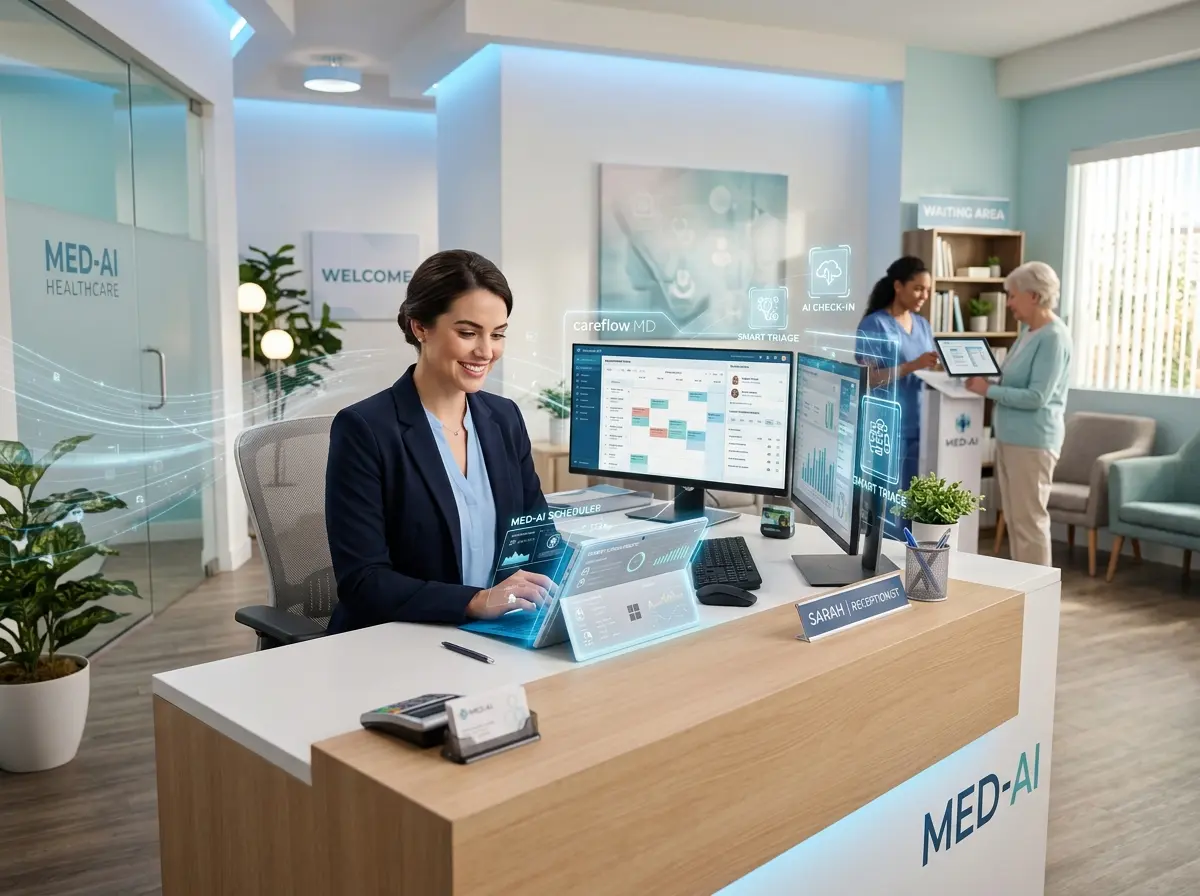
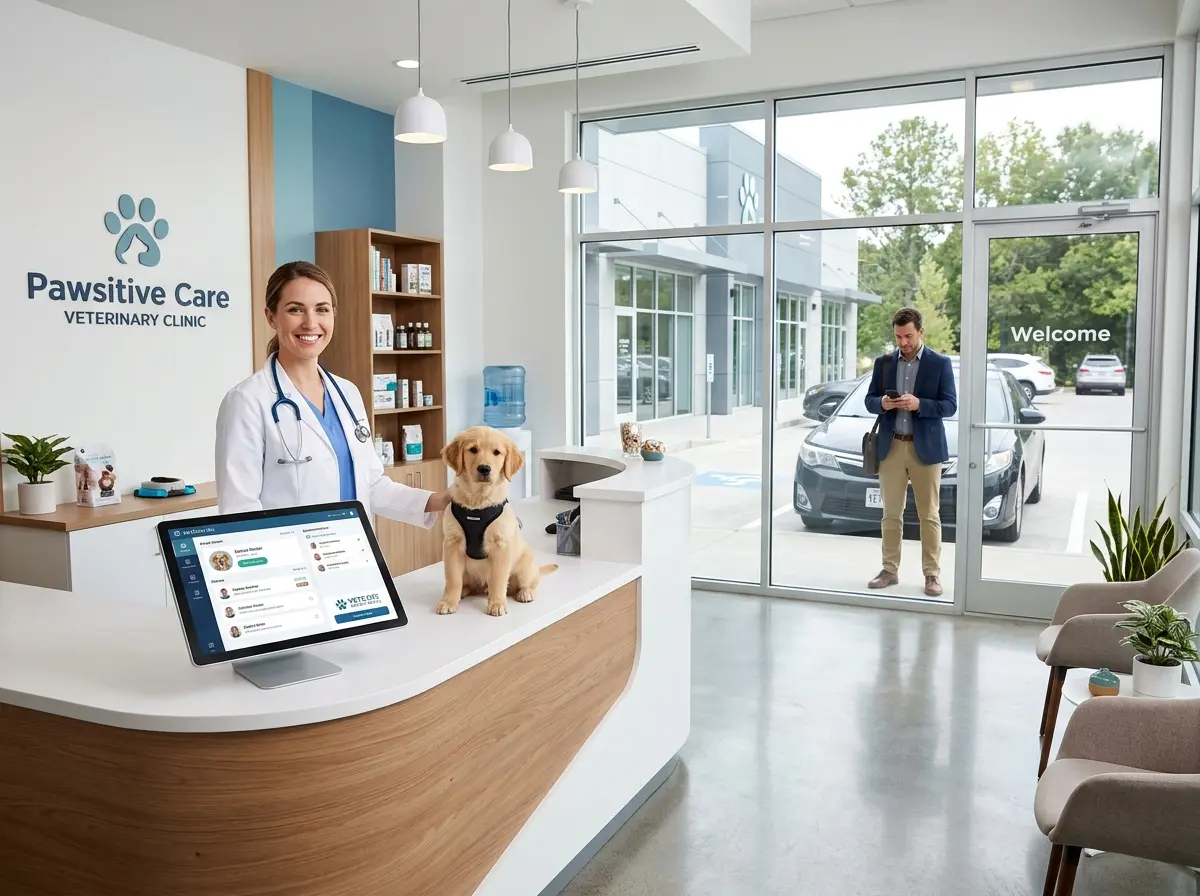
Digital intake doesn't have to be complicated. At its core, it means sending clients a link before their appointment where they can confirm details, update their pet's medical history, note any new symptoms or concerns, and verify contact and payment information. This data flows directly into your practice management system, and by the time the client arrives, your veterinarian already knows that Mr. Whiskers has been scratching his left ear for two weeks and that the owner prefers email communication.
This is also where tools like Stella — the AI robot employee and phone receptionist — become genuinely useful for veterinary practices. Stella can handle phone-based intake conversationally, collecting client and patient information during a call and organizing it through her built-in CRM with custom fields, tags, and AI-generated contact profiles. For clinics that still get a high volume of phone bookings (which, let's be honest, is most of them), this means intake data is captured consistently every time — whether a client called at 9 AM or 9 PM — without relying on a staff member to manually enter everything correctly in a rush. Her in-store kiosk presence can also greet arriving clients and facilitate any remaining check-in steps on the spot, keeping the front desk free to focus on the actual care side of the business.
Building a Pre-Arrival System That Actually Works
Design the Flow Around the Client, Not the Software
The biggest mistake veterinary practices make when implementing digital check-in is designing the process around what the software can do rather than what the client will actually complete. A 47-field intake form sent via a link that expires in 12 hours is technically digital — but it's not going to get filled out. Keep it short, mobile-friendly, and focused on what your team genuinely needs before the appointment begins.
A well-designed pre-arrival flow typically includes an appointment confirmation, a brief health update for the pet (any changes since the last visit, current concerns), consent forms for routine procedures, and an opportunity to update payment information. That's it. Everything else can wait until the client is in the room with the veterinarian. The goal is to shave minutes off the in-clinic process, not to digitize every piece of paper you've ever printed.
Integrate Your Check-In System With Your Existing Practice Management Software
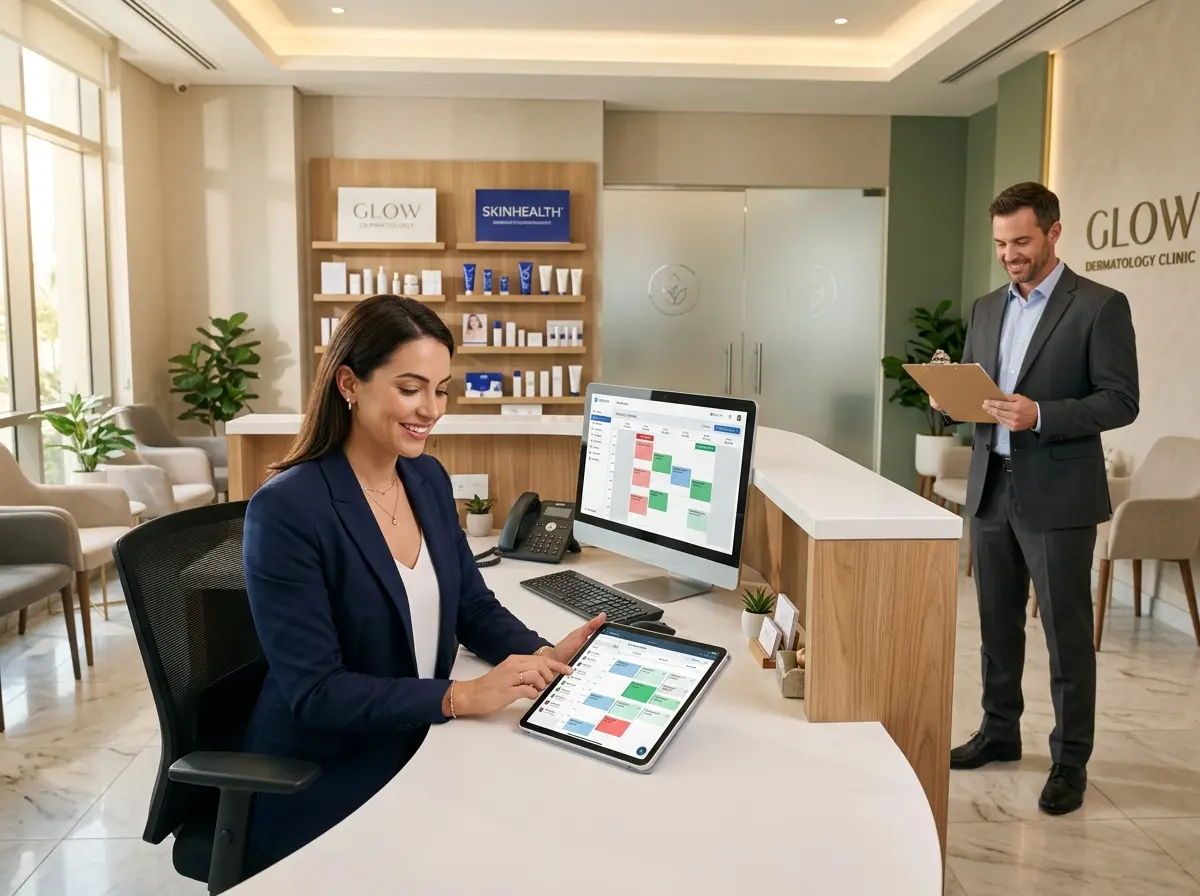
A digital check-in system that lives in a silo is only marginally better than a paper one. The real efficiency gains come when pre-arrival data flows seamlessly into your practice management software — whether that's Cornerstone, AVImark, ezyVet, or another platform. When a client submits their pre-arrival form, that information should update the patient record automatically, flag any new concerns for the doctor, and confirm the appointment without requiring manual intervention from your staff.
Most modern practice management platforms offer API integrations or native digital intake features. If yours doesn't, there are third-party tools like Vetstoria, PetDesk, or Emitrr that specialize in veterinary client communication and can bridge the gap. The investment in setup time is real, but so is the payoff — teams that implement integrated digital check-in consistently report faster appointment cycles and measurably lower front desk workload.
Don't Forget the Curbside Communication Layer
For many practices, curbside check-in became standard during the pandemic and never fully went away — because, frankly, it works well for anxious animals and owners alike. A complete pre-arrival system should include a curbside component: a simple text-based check-in where clients send a message or tap a link to let the clinic know they've arrived. Staff can then retrieve the patient when the exam room is ready, eliminating waiting room crowding and reducing pet stress.
This layer is deceptively easy to implement and has an outsized impact on client satisfaction scores. Pair it with a two-way texting platform, and you've got a communication channel that feels modern, personal, and efficient — all at once. Many clients, particularly younger pet owners, actively prefer texting to phone calls for routine communications. Meeting them where they are is just good business.
Quick Reminder About Stella
Stella is an AI robot employee and phone receptionist built for businesses that want consistent, professional customer interactions without the overhead. She greets clients in person at her in-store kiosk, answers phone calls 24/7, collects intake information conversationally, manages contacts through a built-in CRM, and keeps things moving — all for $99/month with no upfront hardware costs. For a veterinary clinic juggling calls, walk-ins, and a full appointment schedule, she's the kind of reliable presence that doesn't call in sick on a Monday.
Start Before the Parking Lot — Here's How
If you've read this far and you're thinking "this all sounds great, but where do I actually start," here's the honest answer: start small, and start now. You don't need to overhaul your entire practice management infrastructure this week. Pick one piece of the pre-arrival puzzle and implement it with intention.
Begin with automated appointment reminders if you're not already sending them — this alone will measurably reduce your no-show rate within the first month. Then add a short digital pre-arrival form that captures the most important clinical and administrative information. Integrate curbside check-in via text. Build from there. Each layer you add compounds the efficiency gains of the last, and within a few months you'll have a check-in experience that clients actively comment on — in the good way.
The clinics that are winning client loyalty right now aren't necessarily the ones with the fanciest equipment or the largest facilities. They're the ones that have made it genuinely easy to do business with them. A stressed pet owner sitting in your parking lot is already overwhelmed. The practice that removes friction from that moment — before they even walk through the door — is the practice they'll keep coming back to, and the one they'll recommend to every dog owner in their neighborhood.
Your check-in process is a reflection of your entire practice. Make it a good one.