The Checkout Problem Nobody Talks About (But Everyone Has)
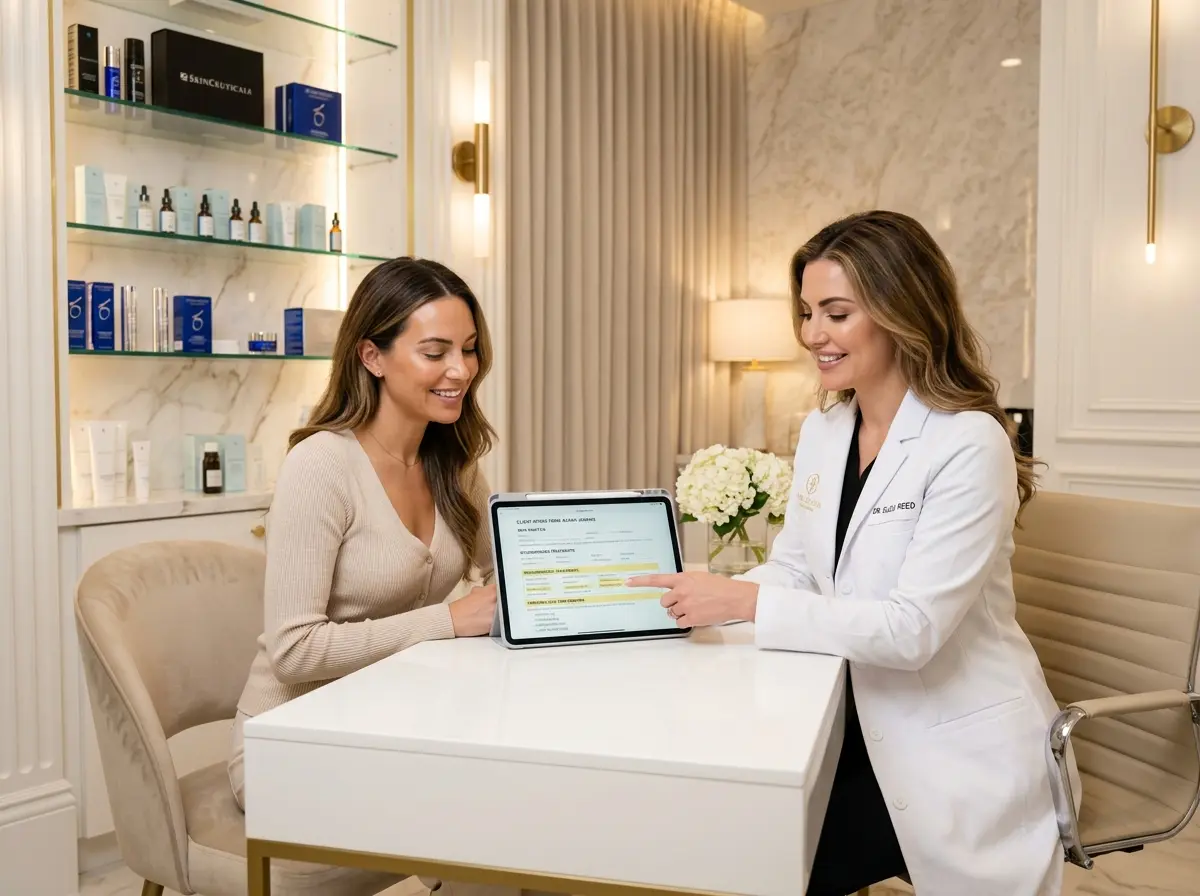
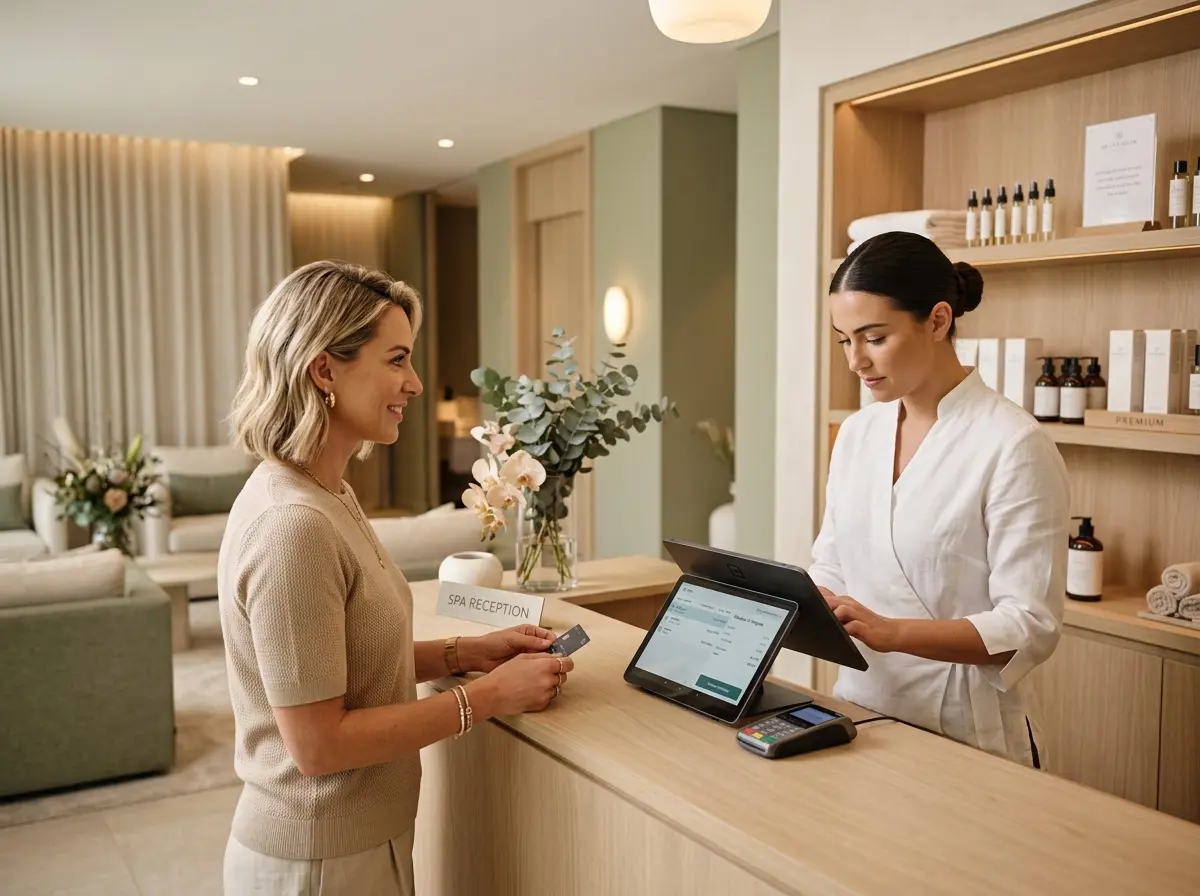
Picture this: A client just finished a 90-minute hot stone massage. She's relaxed, glowing, and — here's the important part — she's still in a spending mood. She floats up to your reception desk, credit card in hand, ready to pay. And what happens? Your front desk associate says, "That'll be $140. Have a great day!" Transaction closed. Client gone. Opportunity buried.
No mention of the new hydrating facial serum sitting three feet away. No suggestion to book the membership that would save her 20% on every visit. No gentle nudge toward the add-on scalp treatment she would have absolutely said yes to. Just a receipt and a goodbye.
This isn't a staff morale problem. It's not even really a training problem — though we'll get to that. It's a systems problem. And it's costing your spa real, measurable revenue every single day. According to industry research, upselling and cross-selling at the point of sale can increase average transaction value by 10–30%. That's not a rounding error. That's a second location, a new treatment room, or — at minimum — a really solid payroll cushion.
Let's talk about why it keeps happening, and more importantly, what you can actually do about it.
Why Checkout Is the Most Underutilized Revenue Moment in Your Spa
Your Clients Are More Receptive Than You Think
The post-treatment window is psychologically golden. Clients who have just experienced something pleasurable are in a state of elevated trust and positive emotion. They feel good about your brand. They're not in a rush the way they were when they arrived. The walls are down. This is the moment — not the booking call, not the intake form, not the email newsletter — when a well-timed recommendation lands the best. Retailers call this "purchase momentum." Spas largely ignore it.
Studies on consumer behavior consistently show that customers are significantly more likely to make an add-on purchase immediately following a positive service experience. You've already done the hard work of delivering that experience. The checkout conversation is just the harvest. But if your receptionist is juggling three phone calls, managing a waitlist, and trying to remember where they put the client's robe, that harvest never happens.
Your Reception Team Has Too Many Jobs
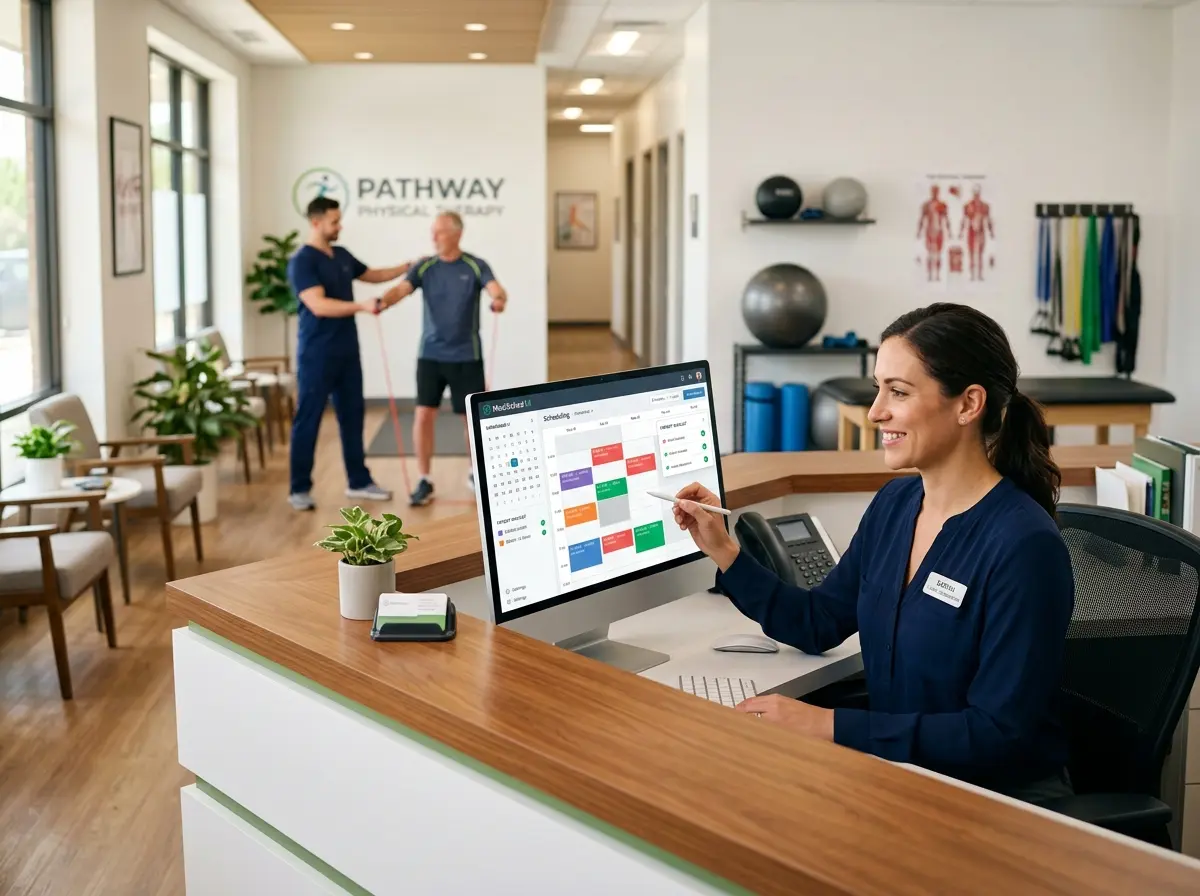
Let's be honest about what you're asking your front desk staff to do simultaneously. They're greeting walk-ins, answering phones, processing payments, managing the booking calendar, handling product questions, fielding complaints, and — somewhere in that chaos — supposed to be delivering personalized upsell recommendations. That's not a job description. That's a circus act.
When people are cognitively overloaded, they default to the path of least resistance. At checkout, the path of least resistance is completing the transaction as quickly as possible and moving on to the next fire. Upselling requires presence, confidence, and knowledge of what to recommend — three things that are hard to muster when the phone is ringing and two clients just walked in at the same time.
Inconsistency Is the Silent Revenue Killer
Even when your team does attempt to upsell, the results vary wildly depending on the day, the employee, and their mood. Sarah recommends the vitamin C serum to everyone. Marcus doesn't recommend anything unless asked. New hire Jordan doesn't even know what half the products do yet. This inconsistency means your revenue outcomes are essentially random — and that's no way to run a business.
The spa owners who solve this problem aren't necessarily hiring better staff. They're building better systems that make the right behavior the default behavior, not the heroic behavior.
A Smarter Front Desk Starts With Smarter Tools
Let Technology Handle What Technology Does Better
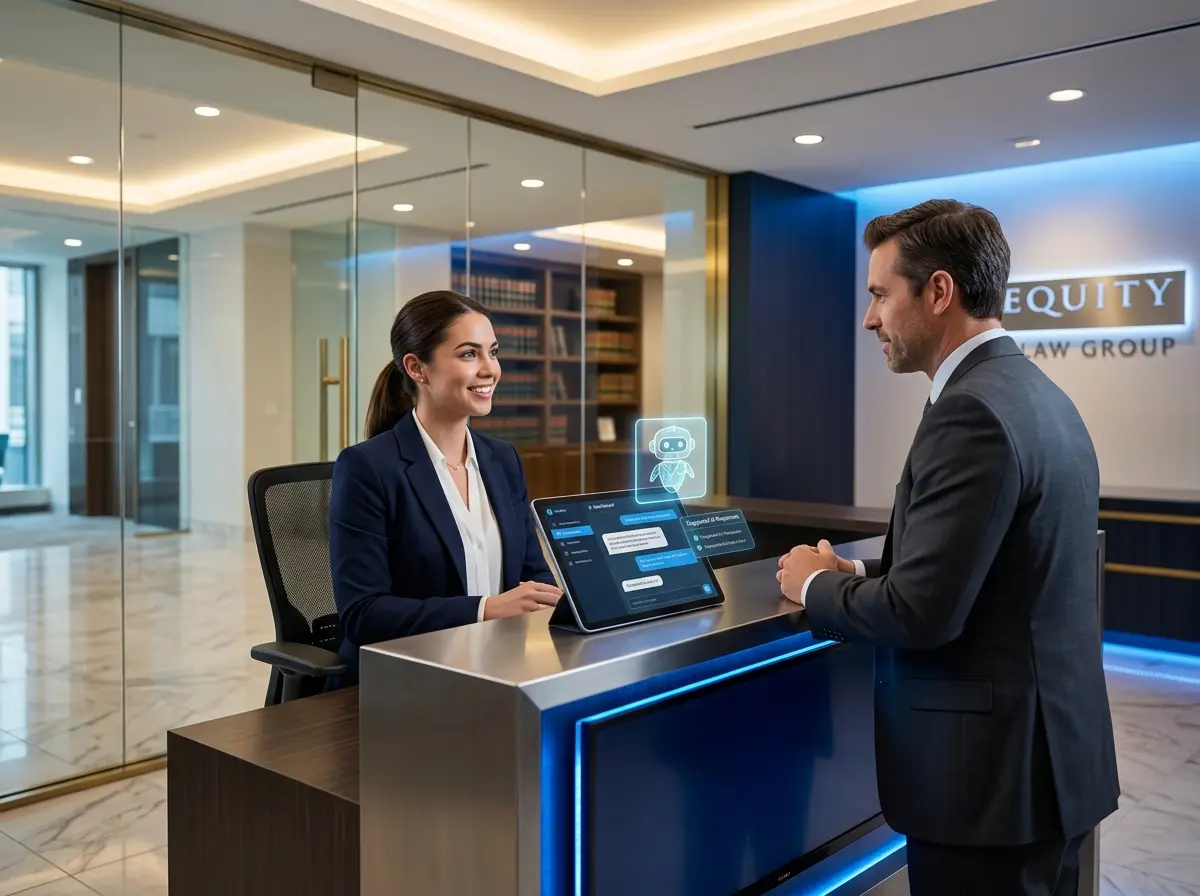
Here's where things get practical. One of the most effective ways to take pressure off your human reception team — and ensure consistent client engagement — is to bring in support that never gets distracted, never forgets the monthly promotion, and never has an off day. Stella, an AI robot receptionist, does exactly that. She stands in your spa as a friendly, conversational kiosk, proactively greeting clients, answering product and service questions, and promoting your current specials — all without pulling your human staff away from the tasks only humans can do well.
Beyond the in-person experience, Stella also answers your phone calls around the clock, so prospective clients calling after hours don't just hit voicemail and move on to the competition. She handles intake, answers questions, and can collect client information through conversational forms — all feeding into a built-in CRM that keeps your client data organized with notes, tags, and AI-generated profiles. It's not magic. It's just smart infrastructure.
Building a Checkout Experience That Actually Converts
Train for Specific Moments, Not General Concepts
Most spa upsell training sounds something like: "Remember to mention our products and memberships!" That is not training. That's a reminder. Effective training is scenario-specific. It gives your team exact language for exact situations.
For example: "When a client is checking out after a deep tissue massage, mention the muscle recovery balm by name and explain that many clients use it between sessions to extend their results." That's actionable. Your team knows when to say it, what to say, and why the client should care. Run these scenarios in short weekly huddles. Role-play them. Make them routine until they become second nature.
Use the Treatment Notes to Drive the Conversation
Your estheticians and massage therapists know things at the end of a session that your receptionist doesn't — the client mentioned dry skin, they loved the aromatherapy, they asked about a specific concern. Build a simple handoff system where the treating professional passes a quick note to the front desk before the client arrives at checkout. Even a sticky note that says "interested in brightening treatments" gives your receptionist something specific and personal to work with. Personalized recommendations convert dramatically better than generic ones.
Make Membership the Default Conversation, Not the Exception
If your spa offers memberships — and it absolutely should — membership conversations need to happen at checkout for every single first-time and returning client, not just when someone asks. The math should be so obvious that not bringing it up feels almost rude. "Based on what you just had today, a membership would have saved you $28 on this visit alone." That's not a sales pitch. That's just arithmetic. Give your team a simple one-liner that frames the membership as a money-saving insight rather than an upsell, and watch the conversion rate shift.
Quick Reminder About Stella
Stella is an AI robot employee and phone receptionist built to help businesses like yours run more smoothly and profitably. She shows up in your spa as a human-sized kiosk that engages clients, answers questions, and promotes your offerings — and she answers your phone calls 24/7 with the same knowledge and professionalism. At just $99 per month with no upfront hardware costs, she's the kind of team member who never calls in sick and never forgets to mention the monthly special.
Your Next Steps Start at the Front Desk
The good news is that the checkout problem is one of the most fixable revenue leaks in your entire business. You already have the clients. You already have the products and services. You're already delivering experiences people love. You just need to build the systems that ensure every checkout moment is working as hard as the rest of your operation.
Start here:
- Audit your current checkout process. Spend a week actually observing (or reviewing) what your front desk team says — or doesn't say — during checkout. You can't fix what you can't see.
- Create scenario-specific upsell scripts for your top three treatments. Keep them short, natural, and benefit-focused. Practice them until they feel like conversation, not performance.
- Build a treatment-to-checkout handoff system so your reception team has the personalized context they need to make relevant recommendations.
- Make membership conversations mandatory for every transaction, with language that leads with savings rather than sales.
- Reduce the cognitive load on your front desk by offloading what you can — phone answering, client intake, product FAQs, promotional reminders — so your human team can focus on the human moments that actually close.
Your spa's checkout line is not just a place to swipe a card. It's a revenue conversation waiting to happen. The only question is whether your systems are set up to have it — or whether you're leaving that money on the table one relaxed, receptive client at a time.