Introduction: Because Shrinkage Is Not Just a Laundry Problem
If you've been in retail long enough, you already know that "shrinkage" is one of those politely clinical terms that really means, "someone walked out with your inventory and didn't pay for it." According to the National Retail Federation, retail shrinkage costs the industry over $112 billion annually — and a significant chunk of that isn't coming from Ocean's Eleven-style heists. It's coming from everyday shoplifting, vendor fraud, administrative errors, and yes, internal theft from employees. Fun times.
The good news? Most of these losses are preventable. The even better news? You don't need to turn your store into a surveillance state to prevent them. What you do need is a solid, consistent loss prevention training program that every single retail employee goes through — from your seasoned floor manager to the part-timer who just started last Tuesday and isn't entirely sure where the bathrooms are.
This guide will walk you through how to build and implement effective loss prevention training that actually sticks — one that protects your bottom line without making your customers feel like suspects or your employees feel like they're being watched by Big Brother.
Understanding the Real Sources of Retail Loss
Before you can train your team to prevent losses, everyone needs to understand where those losses are actually coming from. Spoiler alert: it's not always the suspicious-looking person loitering near the electronics display.
External Theft: The Obvious Culprit
External shoplifting accounts for roughly 36% of retail shrink, making it the largest single category. Your employees need to be trained to recognize the behavioral signs — not the demographic ones, which can lead to discriminatory profiling and, frankly, lawsuits. Train your team to watch for behaviors like: spending an unusually long time in a single area without purchasing, carrying large bags or wearing oversized clothing in warm weather, selecting items and then wandering toward low-visibility areas, and repeatedly entering and leaving without buying. The best deterrent, consistently proven by research, is simple: acknowledged presence. When a customer knows they've been seen and greeted, opportunistic theft drops dramatically. Customer service is, rather elegantly, also loss prevention.
Internal Theft: The Uncomfortable Truth
Internal theft — from your own employees — accounts for approximately 28% of shrinkage. This is the one business owners love to avoid talking about, but ignoring it doesn't make it go away. Internal theft can take many forms: sweethearting (giving unauthorized discounts to friends), voiding transactions after cash is collected, under-ringing items, or outright stealing merchandise or cash from the register.
Training for this doesn't mean teaching your employees to spy on each other. It means establishing clear policies, transparent audit trails, and a culture where accountability is normalized. When employees know that processes are monitored consistently — not selectively — the temptation decreases and the culture of integrity increases. Make sure your training covers your POS reconciliation procedures, refund authorization policies, and what the consequences of policy violations actually are.
Administrative and Vendor Errors
Here's the boring but important one: administrative shrink — things like miscounts, mislabeling, receiving errors, and bad paperwork — accounts for roughly 21% of total losses. It's not malicious. It's just sloppy. Train your receiving team to verify shipments against purchase orders line by line, every single time. Train your floor staff on proper inventory handling and tagging. These aren't glamorous tasks, but a $10 error repeated across 500 transactions is a $5,000 problem you created entirely yourself.
Building a Training Program That Employees Actually Remember
Make It Relevant, Not Just Mandatory
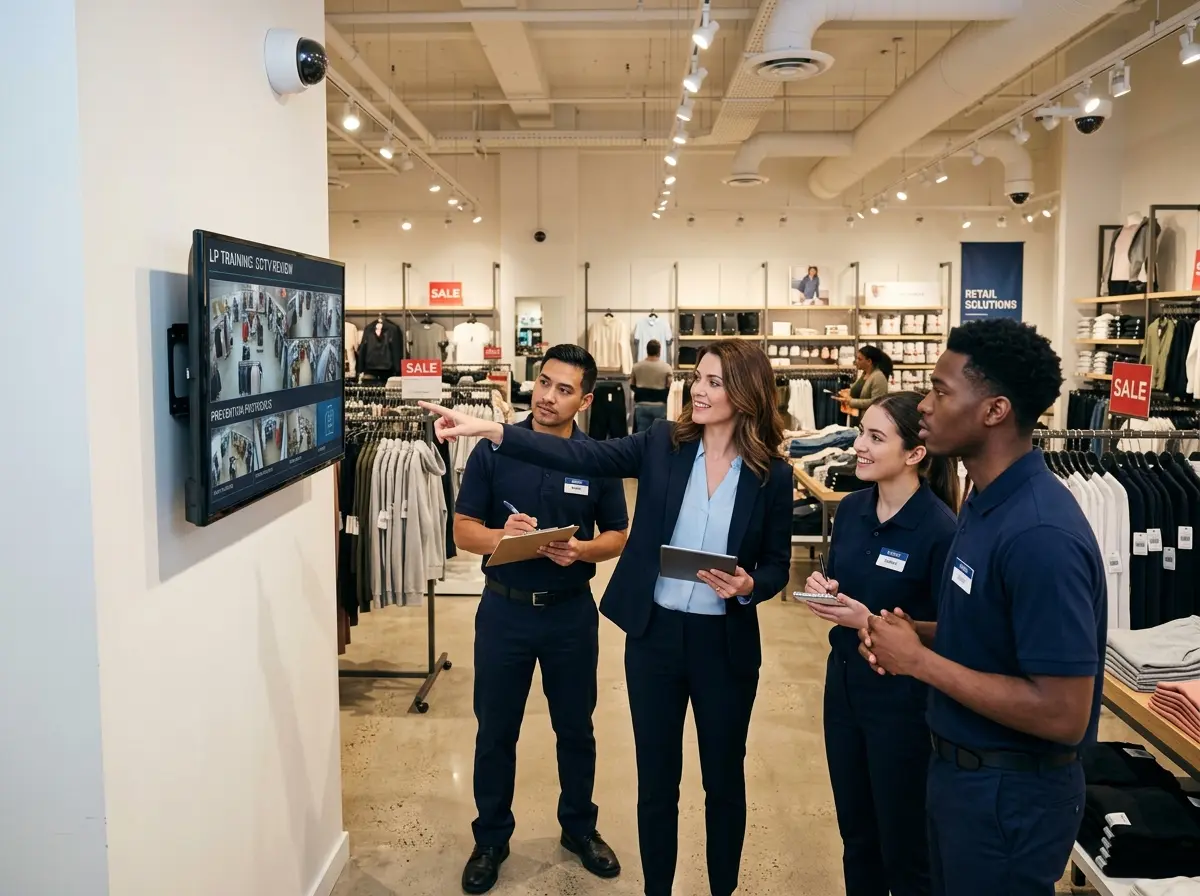
The quickest way to ensure your loss prevention training is completely ignored is to make it a 45-minute video from 2009 followed by a multiple-choice quiz. Adults learn when content is relevant to their specific roles and when they understand why it matters. Start your training with real data from your own store or industry — let employees see what shrinkage actually costs the business, and connect it to something they care about, like staffing levels, bonuses, or the store's long-term viability. A store that loses 3% of revenue to shrink is a store that might cut hours or close early. That lands differently than a corporate policy memo.
Role-specific training matters too. Your cashiers need different focus areas than your stockroom team or your floor associates. Don't make everyone sit through training that only applies to half the room. Break it up, personalize it, and keep it punchy.
How a Smarter Front-of-Store Presence Helps Deter Loss
One of the most effective — and underrated — loss prevention tools is a consistently attentive, engaged front-of-store presence. When customers are greeted, acknowledged, and engaged from the moment they walk in, opportunistic shoplifters often move on entirely. The problem is that your human staff can't be everywhere at once, especially during rushes, breaks, or high-turnover periods.
This is where Stella, the AI robot employee and phone receptionist, becomes a surprisingly valuable asset in your loss prevention strategy. Stella stands inside your store and greets every customer who walks by — proactively, consistently, and without ever needing a lunch break. That constant, friendly, acknowledged presence creates exactly the environment that deters casual shoplifting, while simultaneously improving the customer experience. She can also answer questions about products, policies, and promotions, which means your human staff aren't pulled away from the floor to handle routine inquiries — keeping more eyes where they need to be. And if a customer calls in to ask about your return policy before attempting something sketchy, Stella handles that call 24/7, ensuring your policies are communicated clearly and consistently every time.
Creating a Culture of Accountability Without Creating a Culture of Paranoia
Establish Clear Policies and Enforce Them Consistently
The foundation of effective loss prevention isn't cameras or security tags — it's clarity. Every employee should know exactly what the policies are, what constitutes a violation, and what happens when one occurs. This isn't about being punitive; it's about being fair. Inconsistent enforcement is one of the fastest ways to destroy employee morale and create resentment. If the rule is that all bags must be checked at the end of a shift, that rule applies to managers too. No exceptions, no favorites, no awkward gray areas.
Document everything. Your loss prevention policies should be written, signed during onboarding, and reviewed regularly. When an issue arises — and eventually one will — you want documentation that shows the policy was known, communicated, and consistently applied.
Encourage Reporting Without Fear of Retaliation
Your employees are often your best source of loss prevention intelligence. They see things management doesn't. The problem is that most employees won't report suspicious behavior — from customers or coworkers — if they fear retaliation, awkwardness, or being labeled a snitch. Build an anonymous reporting mechanism. It doesn't have to be sophisticated; a simple suggestion box or a dedicated email address works fine. What matters is that employees feel safe using it and that management actually follows up when reports come in. If nothing ever happens after a report, people stop filing them.
Reinforce the Training Regularly
Loss prevention training is not a once-a-year checkbox item. Retail environments change constantly — new products, new layouts, seasonal rushes, new staff. Schedule quarterly refreshers, conduct brief team huddles when specific incidents occur (without naming names), and update your training materials when policies change. Consider running occasional awareness exercises, like pointing out a gap in a process and asking the team how they'd address it. This keeps loss prevention top of mind without being alarmist, and it signals to employees that leadership takes it seriously enough to keep revisiting it.
Quick Reminder About Stella
Stella is an AI robot employee and phone receptionist designed to help businesses run smoother and smarter. She greets customers in-store, answers phones around the clock, promotes your deals, and handles routine questions so your human team can focus on higher-value work — including keeping a watchful eye on the floor. At just $99/month with no upfront hardware costs, she's one of the more affordable ways to add a reliable, professional presence to your business without adding to your payroll headaches.
Conclusion: Protecting What You've Built
Running a retail business is hard enough without handing away a meaningful percentage of your revenue to theft, error, and oversight gaps. The encouraging reality is that a well-trained team is your most powerful loss prevention tool — more effective than any single piece of technology and more sustainable than any reactive policy you bolt on after something goes wrong.
Here's your actionable checklist to get started:
- Audit your current training materials — if they're outdated or generic, rewrite them with your specific store, products, and policies in mind.
- Segment your training by role — cashiers, stock associates, and floor staff each need tailored content.
- Establish and document clear policies — from receiving procedures to refund authorizations — and enforce them consistently at every level.
- Create a safe reporting culture — give employees a way to flag concerns without fear.
- Schedule regular refreshers — quarterly at minimum, and immediately after any notable incident.
- Leverage your front-of-store presence — whether human or AI-assisted — to ensure every customer is greeted and acknowledged from the moment they walk in.
Your inventory didn't pay for itself, and it won't protect itself either. Build the training, reinforce the culture, and stay consistent. Your bottom line will thank you — even if your shrinkage numbers won't send a thank-you note.