Your Gym Has Great Equipment. But Does It Have a Community?
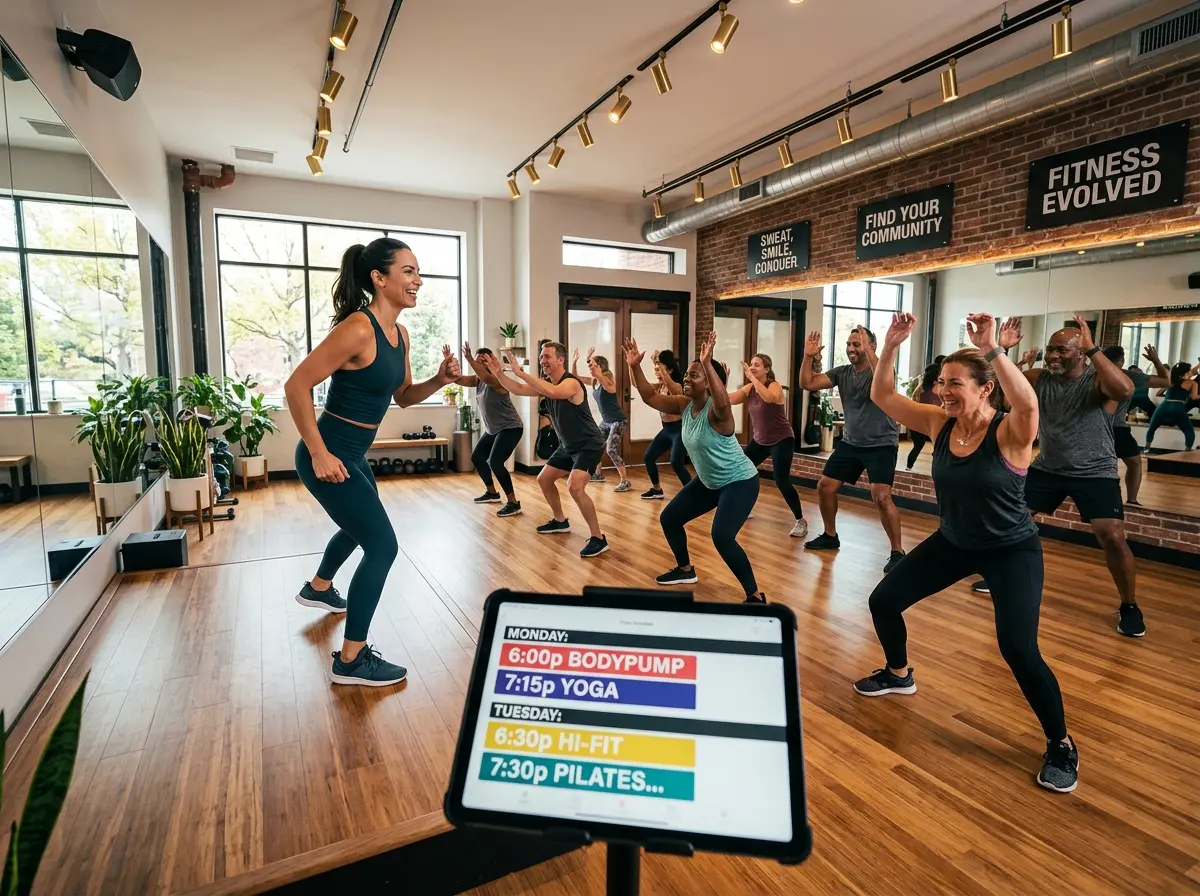
Let's be honest — people don't stay loyal to a gym because of the treadmills. They stay because of the people. The 6 a.m. crew that silently suffers together through burpees. The regulars who remember your name. The coach who posts a motivational message at exactly the right moment. That sense of belonging is what separates a gym with 80% annual member retention from one that's constantly scrambling to replace churned members with new sign-ups.
The problem? Community doesn't build itself — and it certainly doesn't live exclusively within your four walls. Your members go home, get busy, lose motivation, and quietly cancel their memberships before you even notice. According to IHRSA, the average gym loses about 50% of its new members within the first six months. That's not a marketing problem. That's a community problem.
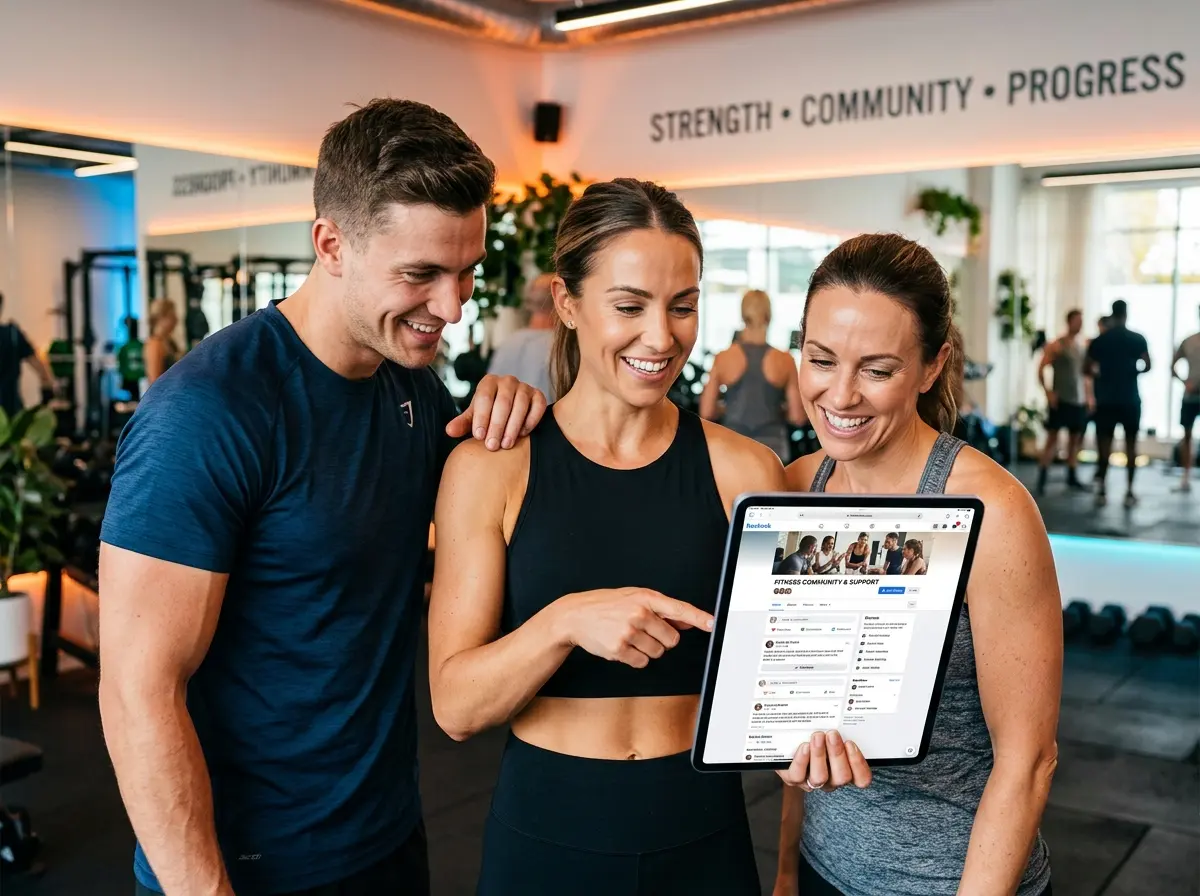
Enter: the humble Facebook Group. Free, familiar, and wildly underused by gym owners who are too busy running classes to run a digital community. Done right, a private Facebook Group can extend your gym's culture beyond your physical space, keep members engaged between visits, and turn casual attendees into passionate advocates. Let's break down exactly how to do it.
Setting Up Your Facebook Group for Success
Choose the Right Type of Group and Name It Wisely
Before you hit "Create Group," think strategically. Your group should be Private (not Public, not Hidden). Private groups allow anyone to find you and request to join, but only approved members can see the content. This creates a sense of exclusivity — members feel like they're part of something, not just subscribed to another noise-filled feed.
Your group name matters more than you think. "Iron Valley Gym Members" is fine. "Iron Valley Fitness Tribe" is better. "Iron Valley — Where We Come to Suffer Together (And Get Stronger)" is even more memorable if it matches your brand voice. The name should reflect your culture, not just your business name. If you run a boutique yoga studio, something like "Serenity Flow Community" signals warmth and intentionality. If you run a CrossFit box, lean into the grit.
Write a Group Description That Does Real Work
Your group description is your first impression for every new member who joins. Don't waste it with something generic like "Welcome to our gym group!" Instead, clearly state what the group is for, what members can expect, and what the community values are. Pin a welcome post that introduces new members to the group norms, highlights what gets shared there, and invites them to introduce themselves. A simple prompt like "Tell us your name, your favorite class, and what you're working toward this month" can generate dozens of comments and instantly make new members feel seen.
Establish a Consistent Posting Rhythm
A Facebook Group without consistent content is just a graveyard with a logo. You don't need to post ten times a day — but you do need to post regularly. Aim for at least four to five posts per week across a mix of content types: motivational content, workout tips, member shoutouts, event announcements, behind-the-scenes moments, and the occasional promotion. Use Facebook's scheduling tool to batch your content in advance so it doesn't fall on whoever happened to be near a computer that day. Consistency builds trust, and trust builds community.
Content Strategies That Actually Drive Engagement
Make Members the Heroes of Your Group
Here's the counterintuitive truth about running a great Facebook Group: it shouldn't be about you. Your gym is the setting. Your members are the story. Feature member progress photos (with permission), celebrate personal records, spotlight members who've been showing up consistently, and ask questions that invite real responses. "What's your biggest fitness win this week?" will always outperform "Check out our new equipment!" Not because the equipment isn't great, but because people are wired to engage with other people.
You can also introduce recurring features that members start to look forward to. A "Monday Motivation" post, a "Thursday Throwback" featuring a member transformation, or a weekly poll asking members to vote on the next class theme — these small rituals create a rhythm that makes the group feel alive rather than like a broadcast channel.
Use the Group to Drive Real-World Behavior
Your Facebook Group isn't just a feel-good space — it's a retention and conversion tool. Use it strategically. Announce class schedule changes there first so members feel like insiders. Offer exclusive member-only promotions to group members before they go to the general public. Create challenges (a 30-day consistency challenge, a hydration challenge, a "bring a friend" week) that bridge the online community with in-person attendance. When your digital community drives people back through your doors, you've built something genuinely powerful.
Keeping Up With Your Community (Without Losing Your Mind)
Running a gym is a full-contact sport. You're managing staff schedules, equipment maintenance, member complaints, class programming, and approximately forty-seven other things that all feel urgent simultaneously. Adding "community manager" to your job title sounds noble in theory and exhausting in practice. This is where smart tools — and smart delegation — make all the difference.
Let Technology Handle the Repetitive Stuff
One area where gym owners consistently lose time is front-desk communication — answering the same questions about class schedules, membership pricing, and drop-in rates over and over again. Stella, the AI robot employee and phone receptionist, is built to handle exactly that. She greets walk-in visitors at your gym with natural conversation, answers questions about your offerings, promotes current deals, and even upsells relevant services — all without pulling your actual staff away from members who need real human attention. And when the phone rings at 8 p.m. after your front desk closes? Stella answers it, handles the inquiry, and makes sure nothing falls through the cracks. That means your human energy goes where it belongs: building the real relationships that no algorithm can replicate.
Growing Your Group and Keeping It Healthy Long-Term
Actively Recruit New Members Into the Group
Your Facebook Group will not grow on autopilot — especially not at first. Make joining the group part of your member onboarding process. When someone signs up for a membership, send them a welcome email that includes a direct link to the group and a warm invitation to join. Train your front desk staff (or Stella, if she's handling your intake) to mention the group during first visits. Put a QR code on your welcome packet or on a small sign near your check-in area. The point is to make joining the group feel like a natural next step, not an afterthought.
Moderate With Intention
A thriving community requires some light-touch management. Set clear group rules from the start — no spam, no unsolicited promotion, keep it supportive — and enforce them consistently. Appoint one or two trusted long-term members as volunteer moderators who can help welcome new members, flag inappropriate content, and keep conversations on track. You don't need to police every post, but you do need to make sure the group's culture stays aligned with the culture you've built inside your gym. If your gym is known for being welcoming and judgment-free, your group should feel exactly the same way.
Track What's Working and Iterate
Facebook Groups provide basic analytics through the "Group Insights" section — including data on post engagement, new member activity, and top contributors. Use this information to understand what content your members actually respond to, not just what you think they want. If your polls consistently outperform your promotional posts, post more polls. If your member spotlight features generate twenty comments and your class announcements generate two, adjust your content mix accordingly. Building community is part art, part science — and the data will tell you a lot if you bother to look.
A Quick Word About Stella
Stella is an AI robot employee and phone receptionist designed for businesses like yours. She stands inside your gym as a friendly kiosk, engages walk-ins, answers questions, and promotes your offerings — and she also answers your phones 24/7 with the same knowledge and professionalism. At just $99/month with no upfront hardware costs, she's the team member who never calls in sick and never forgets to mention the current membership special.
Start Small, Stay Consistent, and Watch Something Real Grow
Building a Facebook Group community around your gym isn't a overnight project — but it's also not as complicated as it might feel. Start by creating your private group today, inviting your current members, and committing to a simple posting schedule for the next thirty days. Don't overthink the content. Ask questions. Celebrate your people. Share what's happening inside your gym. Respond to every comment, especially in the early days when momentum is still building.
Over time, a well-managed Facebook Group becomes one of your most valuable retention tools. Members who are active in your online community are far more likely to show up in person, refer their friends, and stick around when life gets busy and skipping the gym starts to feel tempting. You're not just selling fitness — you're selling belonging. And a thriving Facebook Group is proof that you mean it.
So go create the group. Write the welcome post. Tag a few of your most enthusiastic members and ask them to introduce themselves. The community you've been trying to build is closer than you think — it just needs a home online to match the one you've already built offline.