So You've Got a Store — But Have You Considered Not Stocking It?
But here's the thing: you don't have to choose between the physical retail world you've built and the operational efficiency of drop-shipping. A growing number of savvy retailers are doing both — and they're calling it a hybrid retail model. The concept is simple: you maintain your storefront, your relationships, and your brand presence, while selectively using drop-shipping to expand your product catalog without ballooning your overhead. Sound too good to be true? It's not — but it does require strategy, honesty about your limitations, and a willingness to rethink how your store operates.
Understanding the Hybrid Retail Model
What Drop-Shipping Actually Means for a Physical Store
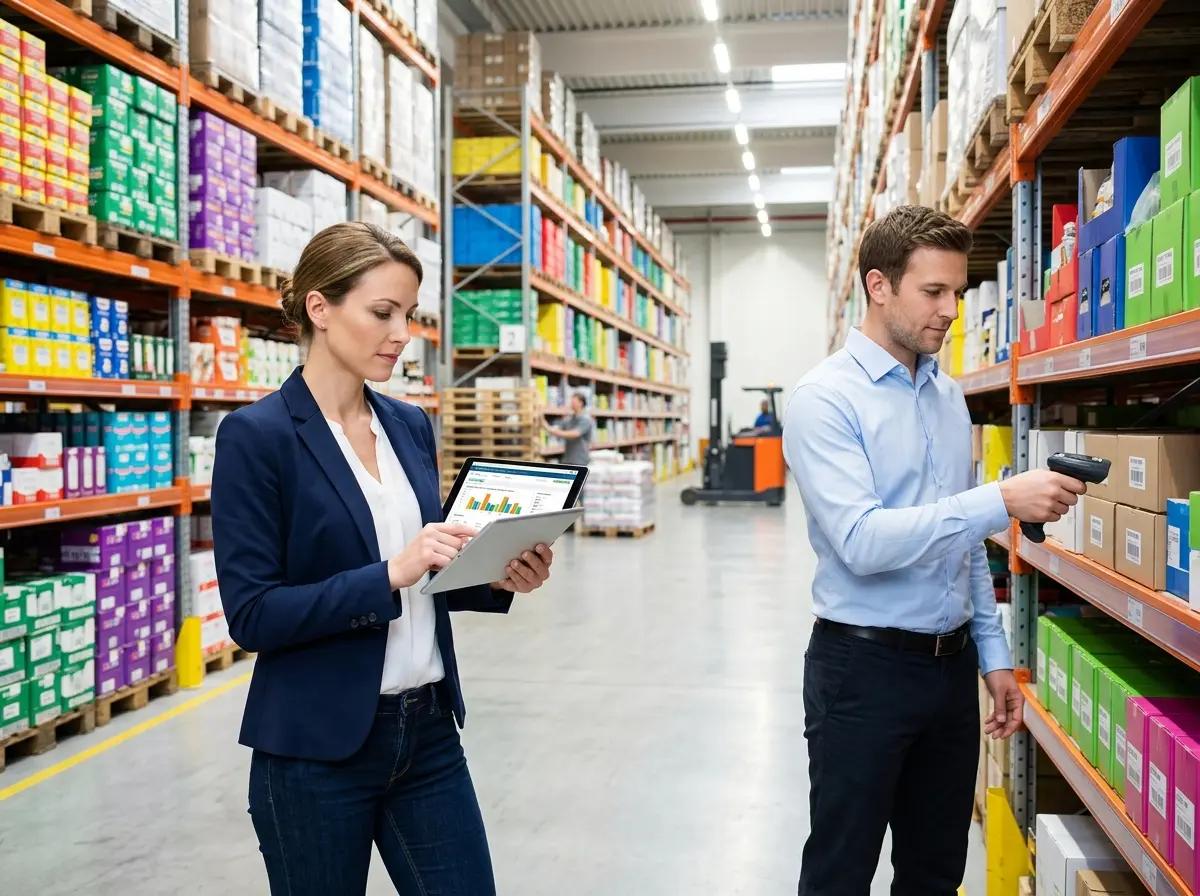
This opens the door to selling a much wider range of products than you could ever physically stock. A furniture boutique, for example, might carry twenty display models but offer hundreds of configurations — colors, fabrics, sizes — through drop-shipping. A sporting goods shop might stock the basics in-store and use drop-shipping for specialty or seasonal gear that doesn't justify shelf space year-round. The key distinction here is that your store becomes a showroom and sales environment as much as it is a warehouse.
The Real Benefits (Beyond "Not Dealing With Inventory")
- Lower upfront capital requirements: You don't need to purchase stock before you sell it, which frees up cash for marketing, store improvements, or simply keeping the lights on.
- Expanded product range: Offering more SKUs without more square footage means you can serve niche customer needs that previously sent buyers to Amazon.
- Scalability without proportional cost: Adding 50 new products to your drop-ship catalog costs almost nothing compared to stocking 50 new physical items.
- Reduced shrinkage and waste: If it never sits on your shelf, it can't get damaged, stolen, or expire.
According to a Statista report, the global drop-shipping market was valued at over $225 billion in 2022 and is projected to grow significantly through the decade. Physical retailers who integrate drop-shipping now are positioning themselves ahead of a curve that's only going to get more competitive.
The Honest Downsides You Need to Know About
Quality control is another genuine concern. When a product ships directly from a third party, you don't get to inspect it. If something arrives damaged or substandard, your customer blames you, not the supplier. Managing returns can also get complicated when products weren't fulfilled through your own logistics. The bottom line: drop-shipping works best as a complement to your core inventory, not a wholesale replacement for it. Use it strategically, not as a crutch.
Keeping Your In-Store Experience Sharp While Expanding Digitally
Don't Let Your Physical Presence Suffer
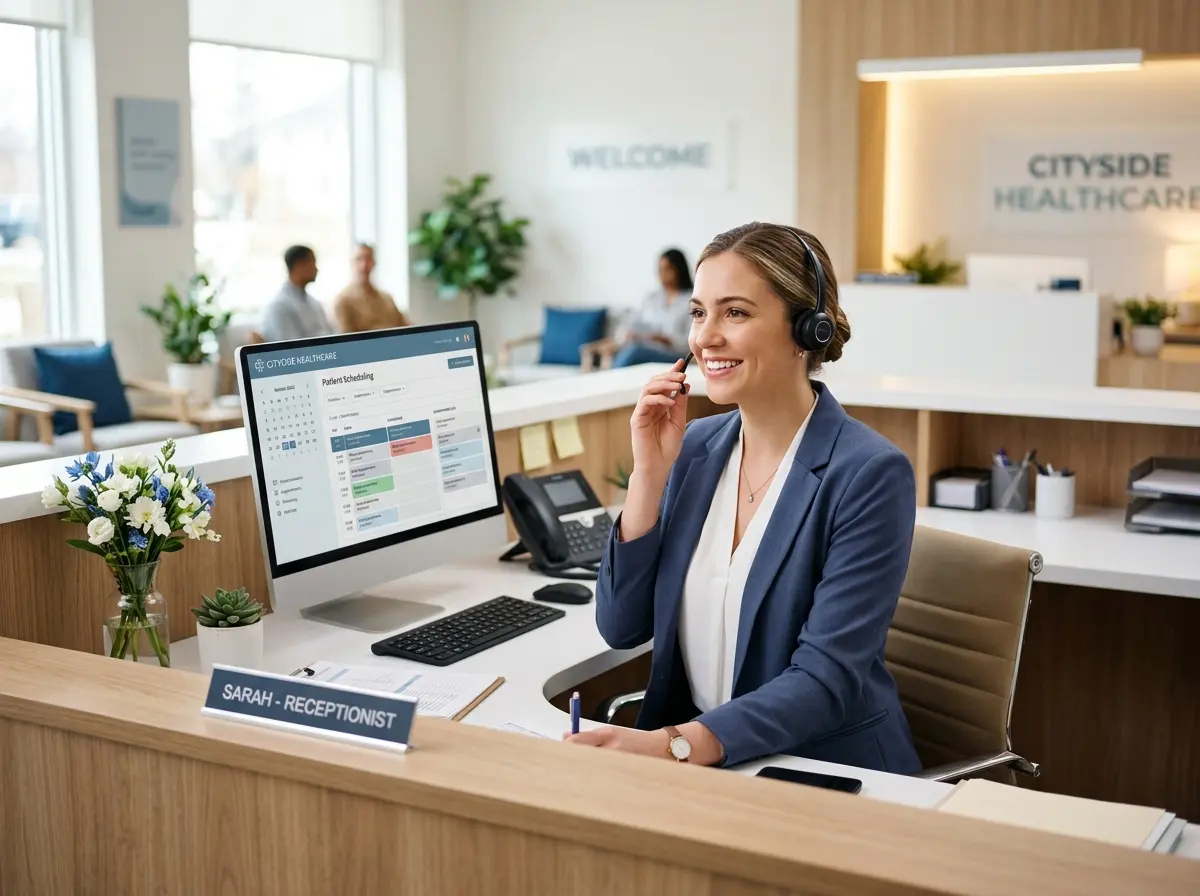
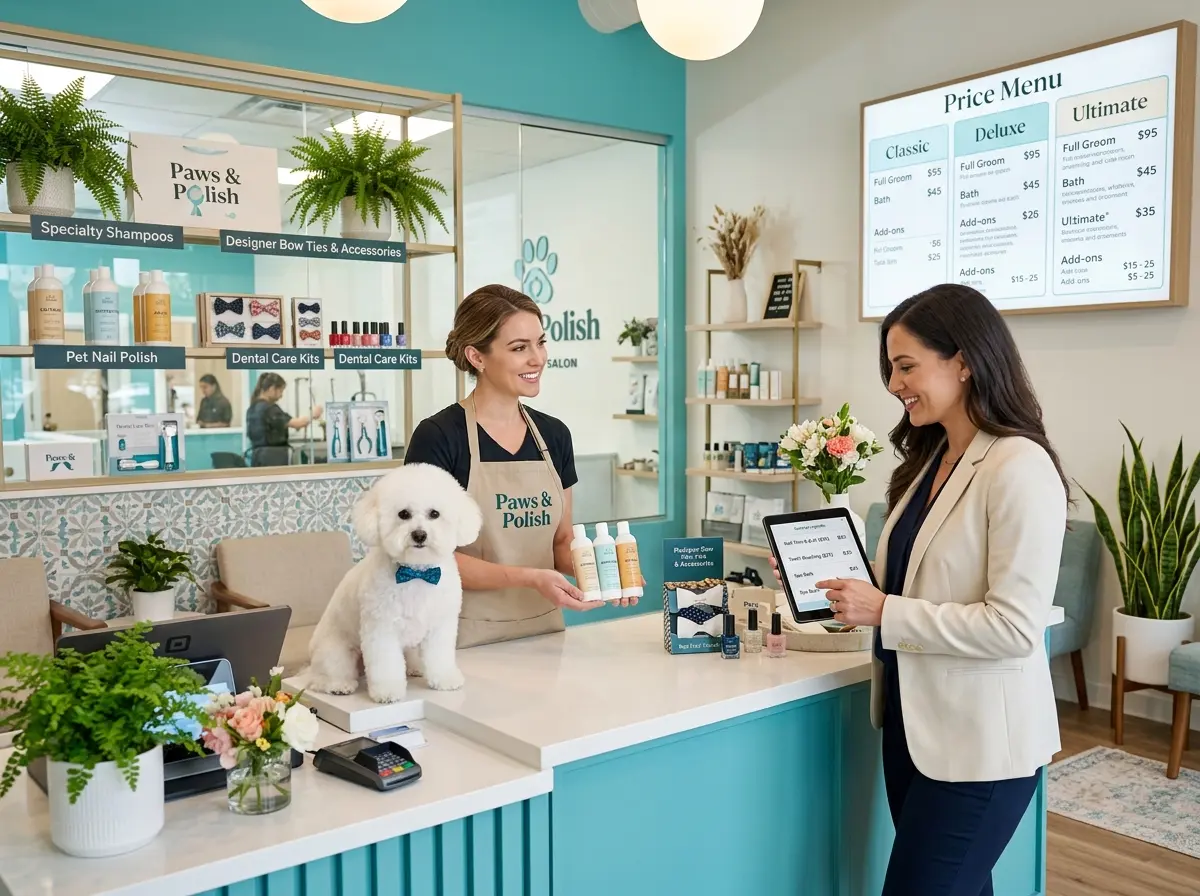
This is where smart tools make a real difference. Stella, the AI robot employee and phone receptionist, is built specifically for businesses that need a reliable, knowledgeable front-line presence without stretching their staff thin. In a hybrid retail environment, she can stand in-store and handle customer questions about both your stocked products and your drop-shipped catalog — freeing your human team to manage fulfillment, supplier relationships, and everything else that comes with running a more complex operation. She also answers phone calls 24/7, which matters a lot when customers start calling to ask about order status or product availability at odd hours. Your staff gets to focus on the work that actually requires human judgment, while Stella handles the repetitive, high-volume customer interactions that would otherwise eat up their day.
Building a Drop-Shipping Strategy That Actually Works in a Physical Store
Choosing the Right Products to Drop-Ship
Vetting Suppliers Like Your Business Depends on It (Because It Does)
Platforms like Faire, Modalyst, and Spocket cater specifically to retailers and offer pre-vetted supplier networks with reasonable fulfillment standards. For niche industries, direct supplier relationships often yield better margins and more control. Either way, establish clear expectations around shipping timelines, packaging standards, and how disputes are handled before a single order is placed.
Communicating the Hybrid Model to Your Customers
A Quick Reminder About Stella
If you're expanding into a hybrid model and worried about keeping your in-store and phone experience consistent, Stella is worth a serious look. She's an AI robot employee that greets customers in-store, promotes your products and deals, and answers phone calls around the clock — all for $99/month with no upfront hardware costs. She's not a gimmick; she's a practical tool for retailers who are growing faster than their staffing budget allows.