Stop Leaving Money on the Table (Seriously, Pick It Up)
You've got products sitting on shelves. You've got customers walking out with one item when they could have walked out with three. And somewhere between "Can I help you find something?" and the final transaction, a perfectly good upsell opportunity quietly died of neglect. Sound familiar?
Enter kitting and bundling — two of the most underutilized strategies in retail and product-based businesses. Done right, they increase your average order value, help you move slow-moving inventory, and make customers feel like they're getting a deal (even when your margins are quietly improving). It's one of those rare situations in business where everyone actually wins.
Whether you run a boutique, a spa, a gym, a restaurant, or an e-commerce store, bundling is a strategy you can implement this week — not after some six-month overhaul. Let's break it down.
The Basics: What Kitting and Bundling Actually Mean
Before we dive into strategy, let's make sure we're speaking the same language. "Kitting" and "bundling" are often used interchangeably, but they have a subtle difference worth knowing.
Kitting: Packaging Products Into a Single SKU
Kitting refers to the process of combining multiple individual products into one pre-packaged unit — a single SKU that gets sold as one item. Think of a skincare starter kit that includes a cleanser, toner, and moisturizer all wrapped up in branded packaging. The items are physically assembled together before the point of sale. Kitting is common in e-commerce, subscription boxes, and gift-oriented retail. It simplifies the purchase decision and creates a polished, gift-ready presentation that feels premium — which, not coincidentally, lets you price it accordingly.
Bundling: Grouping Products at the Point of Sale
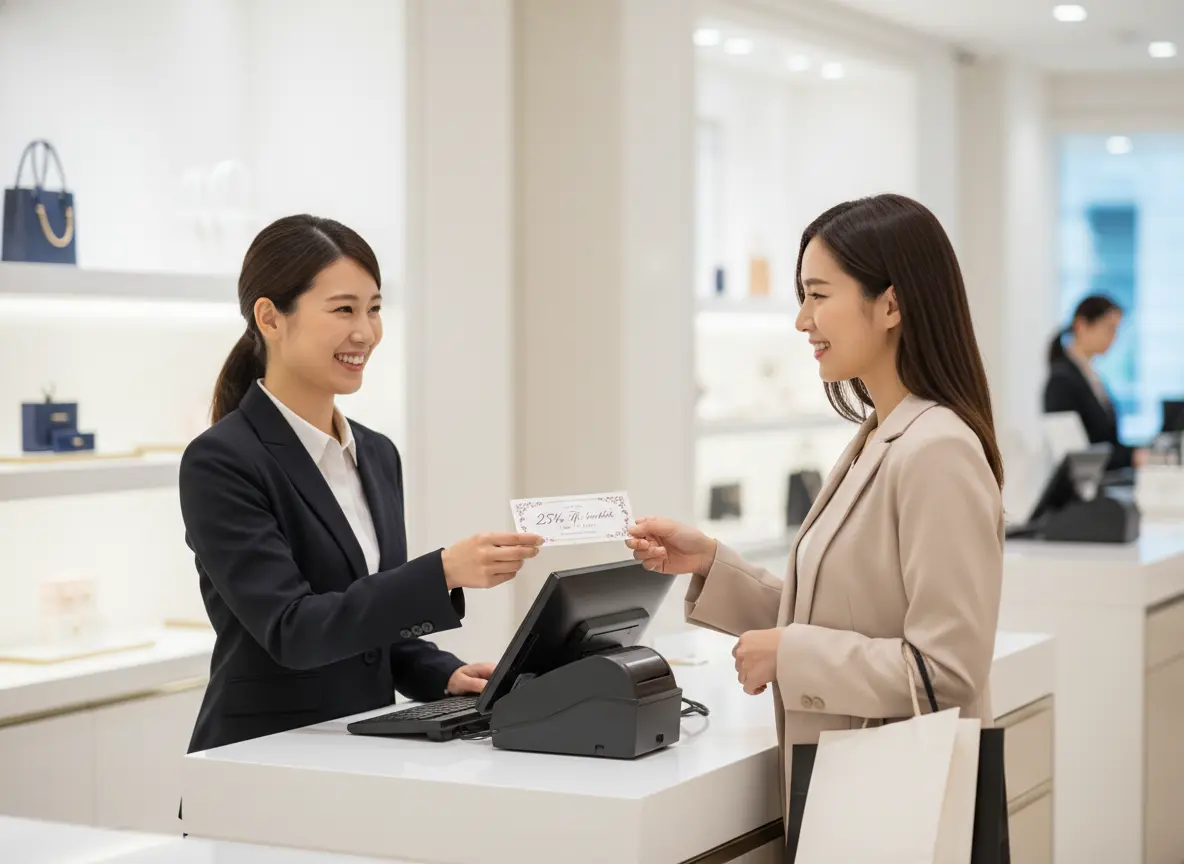
Bundling is a bit more flexible. Instead of pre-packaging items, you group them together conceptually — often at checkout or through a promotion — and offer them at a combined price. A restaurant offering a burger, fries, and a drink as a "combo meal" is bundling. A gym selling a membership plus a personal training session plus a branded water bottle as a "New Member Package" is bundling. The items might not be physically combined, but they're marketed and priced together to encourage the customer to take the whole package rather than cherry-pick.
Why It Works: The Psychology Behind the Bundle
There's solid behavioral economics behind why bundling works so well. When customers evaluate individual items, they scrutinize each price. But when those same items are presented as a bundle, the mental accounting shifts — they evaluate the package rather than the parts. Research published in the Journal of Marketing Research has shown that mixed bundling (offering items both individually and as a bundle) consistently outperforms selling items separately. Customers perceive greater value, feel less price sensitivity, and are more likely to complete the purchase. You're not tricking anyone — you're just making the decision easier and more satisfying.
Building Bundles That Actually Sell
Start With Complementary Products, Not Slow Movers
The most common mistake business owners make is treating bundles as a dumping ground for inventory they can't otherwise move. While bundling can help clear slow-moving stock, that should be a secondary benefit — not the primary strategy. If your bundle doesn't feel like it makes sense to the customer, they'll see right through it. Nobody wants a "Relaxation Package" that pairs a lavender candle with a discontinued protein bar just because you have 200 of them in the back.
Start by mapping your products or services to customer use cases. What does a customer typically need alongside the thing they're already buying? A hair salon selling a deep conditioning treatment alongside a color service makes perfect sense. An auto shop bundling an oil change with a tire rotation and a multi-point inspection? That's a no-brainer combo customers will readily accept. The bundle should feel like a natural recommendation from someone who knows what they're talking about.
Price It to Reflect Value, Not Just Discount
You don't always need to slash prices to make a bundle attractive. Sometimes the value is in the convenience — not having to think, not having to add multiple items to the cart, getting everything in one shot. That said, a modest discount of 10–20% off the combined individual prices is often enough to tip customers toward the bundle without eroding your margins significantly. The key is anchoring: show the original combined price alongside the bundle price so the perceived savings are obvious. If customers can't see what they're saving, the discount loses its psychological punch.
Use Seasonal and Themed Bundles to Create Urgency
Permanent bundles are great, but limited-time or seasonal bundles create urgency — and urgency drives decisions. A spa offering a "Holiday Recovery Package" in January. A gym promoting a "Summer Shred Bundle" in May. A restaurant running a "Date Night for Two" bundle on weekends. These promotions give customers a reason to act now rather than later, and they give your team something fresh to talk about and promote. Rotate your bundles quarterly at minimum to keep things feeling current and give your regulars a new reason to spend.
How Stella Can Help You Promote and Sell Bundles
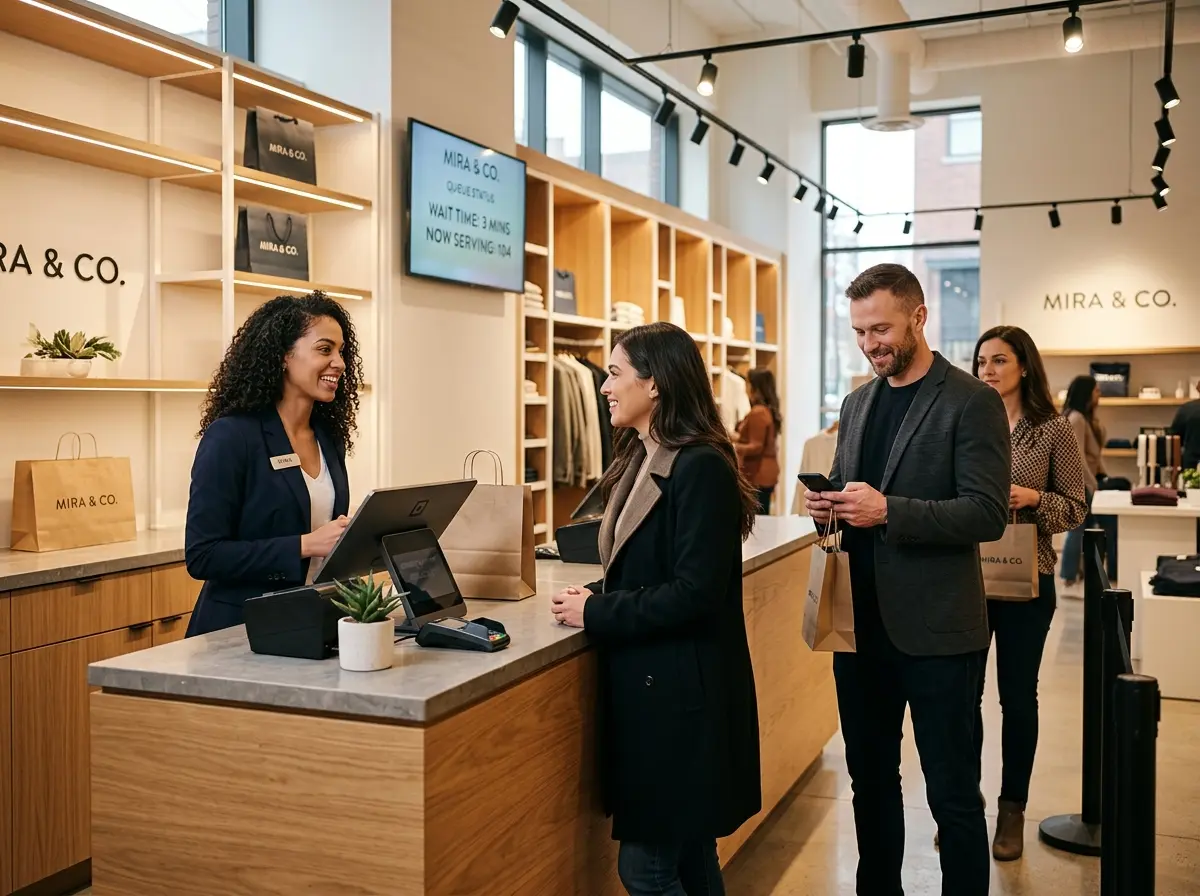
Here's where things get interesting for businesses that want to promote bundles without adding to the workload of an already stretched team. Stella, the AI robot employee and phone receptionist, is genuinely well-suited to this kind of promotional work. In physical locations, she greets customers proactively, highlights current deals and bundles, and answers questions about what's included — all without requiring your staff to interrupt what they're doing. She's essentially a tireless, always-on sales associate who never forgets to mention the special.
On the phone side, Stella handles inbound calls 24/7 and can mention current promotions during customer interactions — so even the person calling after hours to ask about your hours gets a heads-up about the bundle you're running. She can collect customer information through conversational intake, and her built-in CRM lets you track which customers have been told about which promotions, tag them accordingly, and follow up intelligently. It's a smarter way to make sure your bundling efforts actually reach the people you're trying to reach.
Common Mistakes to Avoid When Bundling
Overcomplicating the Bundle
More items in a bundle does not automatically mean more value. In fact, research on "choice overload" consistently shows that too many options — or too many components — cause customers to disengage entirely. Keep your bundles simple. Two to four items is the sweet spot for most businesses. If a customer needs a flowchart to understand what's included, you've already lost them. Clarity sells. Complexity doesn't.
Ignoring Your Margins
Bundling without doing the math is how businesses accidentally make themselves busier and poorer at the same time. Before launching any bundle, calculate your cost of goods and labor for each component, apply your bundle discount, and confirm you're still hitting your target margin. A bundle that drives volume but tanks profitability is not a success story — it's a slow-motion problem. Use your POS system or inventory software to model it out before you price it publicly.
Failing to Train Staff to Talk About It
Your bundle doesn't sell itself just because it exists. Your front-line staff — whether in-store employees, phone staff, or online chat agents — need to know what the current bundles are, why they're a good deal, and how to casually mention them at the right moment. A brief weekly huddle to walk through active promotions, along with a simple one-page cheat sheet at the register or workstation, goes a long way. When your team is confident about what they're promoting, customers feel that confidence and trust the recommendation.
A Quick Reminder About Stella
Stella is an AI robot employee and phone receptionist built for businesses of all types and sizes. She greets customers in-store, answers phones around the clock, promotes deals, handles intake, and manages customer data — all for $99/month with no upfront hardware costs. She's the team member who never calls in sick and never forgets to mention the bundle.
Conclusion: Bundle Up and Get Moving
Kitting and bundling aren't complicated, and they don't require a big budget or a complete operational overhaul. They require a bit of strategic thinking, an honest look at your product mix, and the willingness to present your offerings in a way that makes the buying decision easier for your customers.
Here's your action plan to get started this week:
- Audit your current offerings and identify two or three natural product or service pairings that customers already tend to buy together.
- Build one test bundle — price it with a 10–15% discount off individual prices and make the savings visible.
- Create a simple promotional message for in-store, phone, and online channels so customers actually hear about it.
- Train your team (and your tools) to mention the bundle at the right moment in the customer journey.
- Track the results — average order value, units moved, and customer response — and refine from there.
The products you have right now, sold in smarter combinations, can meaningfully move the needle on your revenue without a single new SKU, a new ad campaign, or a motivational poster in the break room. Start bundling. Your margins will thank you.