Why Your Dental Practice Should Be Running Free Community Screenings (And How to Actually Make Them Work)
Let's be honest — most people don't wake up on a Tuesday morning thinking, "You know what, I really should call a dentist today." In fact, roughly 100 million Americans don't visit the dentist annually, not always because they can't afford it or don't care, but because nobody gave them a compelling enough reason to walk through the door. That's where a free community oral health screening comes in — and no, this isn't just a feel-good PR move. Done right, it's one of the most cost-effective new patient acquisition strategies a dental practice can run.
A well-organized screening event positions your practice as a trusted community resource, gets skeptical patients through your door with zero financial risk on their end, and creates a natural pipeline for converting curious visitors into loyal, paying patients. The trick, of course, is executing it in a way that doesn't just burn your Saturday and your staff's goodwill. Let's break down exactly how to do it.
Planning a Screening Event That Actually Fills Your Schedule
Choosing the Right Format and Location
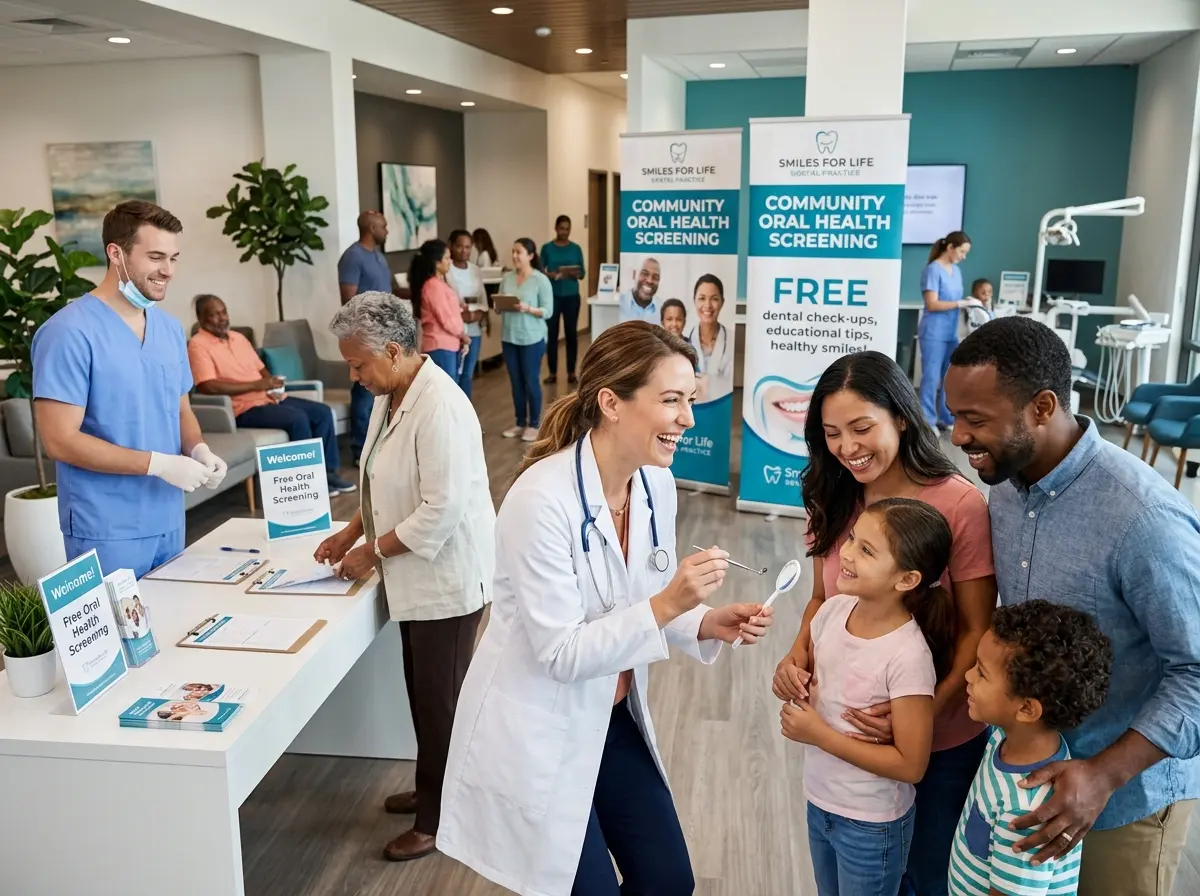
The biggest mistake practices make is hosting a screening at their own office and then wondering why only eight people showed up — six of whom were already patients. The goal is to meet people where they already are. Partner with local schools, community centers, churches, corporate employers, or even farmers markets. A pop-up screening table at a health fair will consistently outperform an in-office open house simply because the foot traffic is already there.
As for format, keep it simple and fast. People will happily stop for a 5–10 minute screening; they will not stand in line for 45 minutes. Offer a visual oral exam, a quick conversation about symptoms or concerns, and a printed or digital summary they can take home. The goal isn't to diagnose — it's to build trust, demonstrate expertise, and identify people who need follow-up care.
Staffing Smartly and Setting Expectations
A successful screening event requires at least one dentist or hygienist doing the actual screenings, plus one or two team members handling patient intake, answering questions, and collecting contact information. Define roles clearly before the day arrives. Who's gathering names and emails? Who's explaining next steps to people who need follow-up care? Who's the friendly face that makes nervous visitors feel welcome rather than sold to?
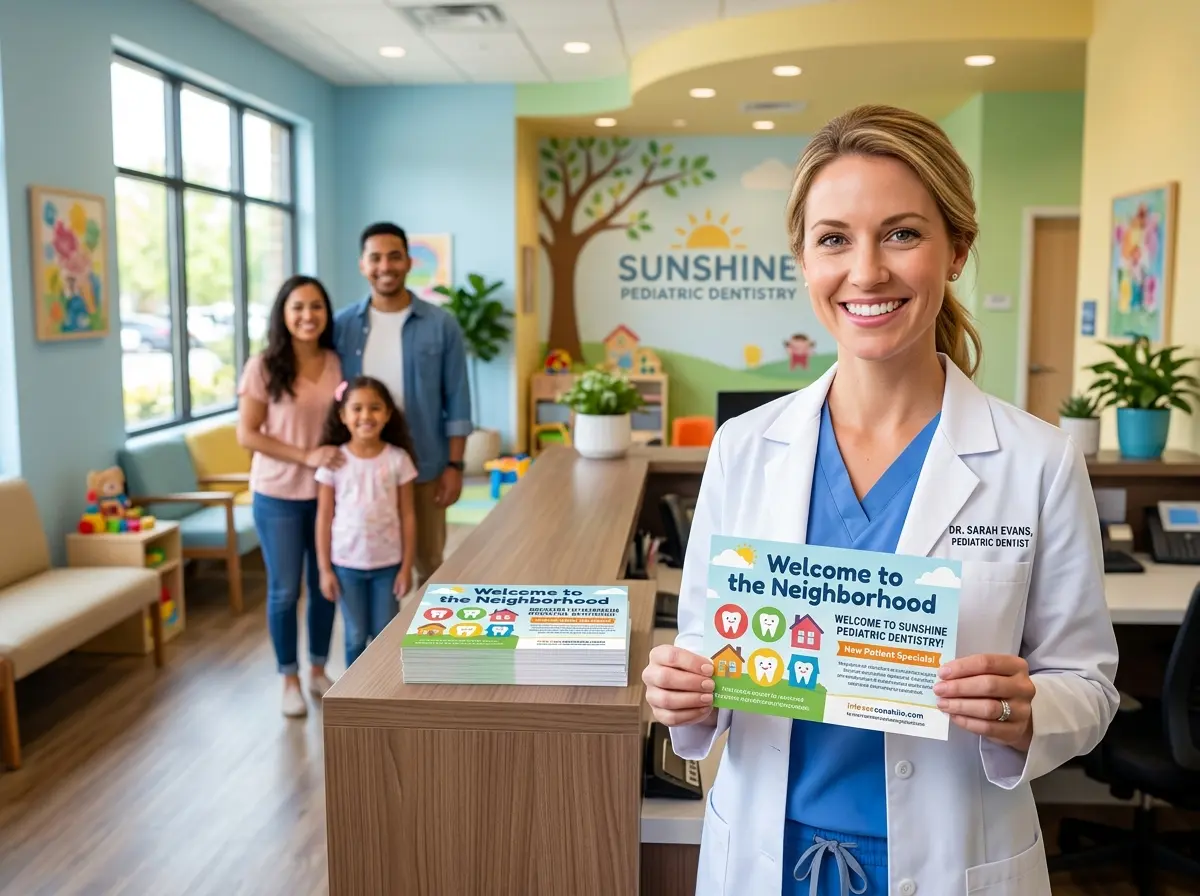
Brief your team on the tone: this is community service first, sales conversation never. The conversion happens organically when people feel genuinely cared for — not when someone shoves a "New Patient Special" flyer in their face within thirty seconds of meeting them.
Creating an Irresistible Follow-Up Offer
Every person who attends your screening should leave with a clear, low-barrier next step. A complimentary or deeply discounted first exam and X-rays is the gold standard. Make it time-limited (30–60 days) to create gentle urgency without pressure. QR codes linking to your online booking page, a takeaway card with your contact information, and a brief handwritten note from the provider all go a long way toward making that follow-up feel personal rather than transactional.
Track your offer redemption rates diligently. If you screen 60 people and only 3 book, your follow-up offer or your follow-up process needs work. If 20 book, you've found a repeatable growth channel worth investing in quarterly.
Streamlining the Patient Experience Before, During, and After
How Stella Can Help You Stay Responsive While Your Team Is in the Field
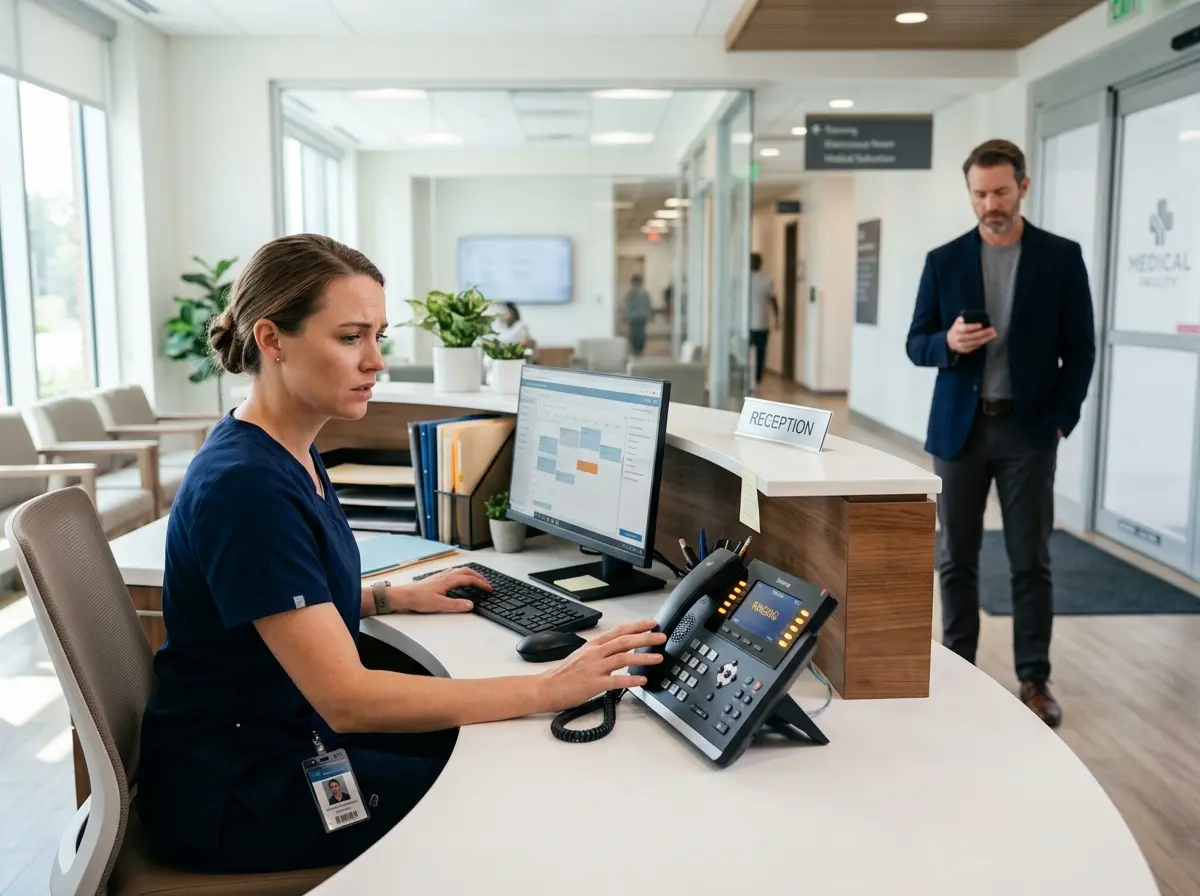
Here's a scenario nobody talks about: you and half your staff are at a Saturday community screening event, doing great work and generating genuine interest — and back at the office, unanswered phone calls are piling up. People who received your screening summary on Wednesday are calling to book their follow-up appointment on Thursday, and nobody is picking up. That's a conversion leak you can't afford.
Stella, the AI robot employee and phone receptionist, ensures your practice stays responsive around the clock — whether your team is off-site at a community event or simply busy with patients. She answers calls 24/7, provides information about your current new patient offers, and collects intake information through conversational forms, feeding it directly into her built-in CRM so your team can follow up without playing detective. On days when your front desk is stretched thin, Stella's in-office kiosk presence also greets walk-ins and answers questions without requiring staff to drop what they're doing. It's the kind of seamless coverage that turns a successful screening event into actual booked appointments.
Marketing Your Screening to Maximize Attendance
Leveraging Local Channels Without Blowing Your Budget
You don't need a massive advertising budget to fill a community screening — you need smart, targeted outreach. Start with your existing patient base; ask them to bring a friend or family member who hasn't seen a dentist in a while. Word-of-mouth from a trusted patient is more persuasive than any paid ad you'll ever run.
Beyond that, focus on channels with genuine local reach: neighborhood Facebook groups, Nextdoor, local community newsletters, and partnerships with complementary businesses like pediatric clinics, pharmacies, or gyms. A brief, authentic post explaining why your practice is hosting the event — not just what it is — consistently outperforms polished promotional graphics. People respond to human motivation, not marketing copy.
Using Social Proof and Post-Event Content
Document your event. Take photos (with appropriate permissions), gather short video testimonials from attendees who are comfortable sharing, and post a genuine recap of how many people you served. This content does double duty: it builds social proof for future events and reinforces your practice's reputation as a community partner rather than just another business trying to acquire customers.
Consider creating a short follow-up email sequence for everyone who attended. Email one: a warm thank-you with their screening summary. Email two (one week later): a reminder about their follow-up offer with a direct booking link. Email three (two weeks after that): a light-touch check-in with an educational resource about the concern identified during their screening. Simple, non-pushy, and remarkably effective.
Turning One Event Into an Ongoing Program
The practices that see the most long-term growth from community screenings are the ones that treat it as a recurring program, not a one-time experiment. Commit to quarterly events in different locations, track your cost-per-acquired-patient over time, and refine your process with each iteration. After two or three events, you'll have a repeatable playbook that your team can execute confidently — and a growing reputation in your community as the practice that actually shows up.
Quick Reminder About Stella
Stella is an AI robot employee and phone receptionist designed to handle customer engagement so your human staff can focus on what they do best. She greets patients at your front desk kiosk, answers phone calls around the clock, collects intake information, and manages contacts through a built-in CRM — all for just $99/month with no upfront hardware costs. For a dental practice juggling community outreach, patient care, and front-desk operations simultaneously, that kind of always-on support isn't a luxury — it's a practical advantage.
Your Action Plan Starts This Week
Running a free community oral health screening isn't complicated, but it does require intentional planning and consistent follow-through. The practices that treat these events as genuine community service — rather than thinly veiled sales pitches — are the ones that build lasting patient relationships and a reputation that drives referrals for years.
Here's where to start this week:
- Identify one local partner (a school, employer, community center, or health fair) and reach out about hosting a screening in the next 60 days.
- Define your follow-up offer — what will attendees receive, and how will you track redemptions?
- Assign clear team roles for the day of the event so nobody is guessing.
- Set up a follow-up email sequence before the event so it's ready to deploy automatically.
- Audit your phone coverage — make sure calls aren't going unanswered when your team is in the field.
Your community is full of people who need dental care and just haven't found a reason to trust a practice enough to book. A well-run screening gives them that reason. Go give it to them.