You Did the Work. You Sent the Quote. Then… Nothing.
You've been there. You spend an hour on-site, another hour writing up a detailed proposal, maybe even throw in a little discount to sweeten the deal — and then you hit send and wait. And wait. And wait some more. Eventually, you follow up (or forget to), and by the time you reconnect, the customer has already hired someone else. Someone who was probably less qualified, less thorough, and definitely less charming than you.
Welcome to the quote-to-close problem: the silent revenue leak that's draining contractor businesses everywhere. It's not always about price. It's not always about competition. More often than not, it's about speed, trust, and follow-through — three things that far too many contractors leave entirely to chance.
The good news? This is a fixable problem. Not with magic, not with a marketing overhaul, but with a smarter approach to the gap between "I sent the quote" and "I got the job." Let's dig in.
Why Contractors Lose Jobs at the Quote Stage
Speed Kills — Slowly
Here's a stat that should keep you up at night: studies consistently show that responding to a lead within the first five minutes makes you up to 100 times more likely to connect with that prospect than if you waited just 30 minutes. Thirty minutes. That's barely enough time to finish a cup of coffee.
Contractors, by nature, are busy people. You're on the job site, under a sink, on a roof, or driving between appointments. You're not exactly sitting by the phone waiting to field inquiries. But your customers don't know — or particularly care — about that. They call, they don't hear back quickly, and they move on to the next name on the list. It's not personal. It's just how people shop today.
The contractors who win are often not the best in the business. They're simply the first to respond with something coherent and professional. That's a painful truth, but it's also an opportunity.
The Follow-Up Fallacy
Here's another uncomfortable reality: most contractors follow up once, maybe twice — and then they give up. Meanwhile, research from the National Sales Executive Association suggests that 80% of sales require five or more follow-up contacts before they close. Five. Most contractors tap out at one and chalk it up to "the customer just wasn't that interested."
Sometimes that's true. But often, the customer is juggling three other contractors' quotes, dealing with their own busy life, and waiting to see who cares enough to check back in. A timely, professional follow-up isn't pestering — it's signaling that you're organized, reliable, and actually want the job. Which, presumably, you do.
The fix isn't complicated: build a follow-up process and stick to it. Send the quote, follow up in 24 hours, again in three days, and once more at the end of the week. Keep it friendly and brief. You'll be shocked how many jobs you recover just by showing up consistently.
Professionalism (or the Lack Thereof) in the Proposal Itself
A handwritten estimate on a torn notepad might have worked in 1987. Today, it sends a signal — and not a good one. Customers are making a trust decision when they hire a contractor, and your quote is often the first formal document they receive from you. If it looks like it was assembled in a hurry, they'll assume your work will be too.
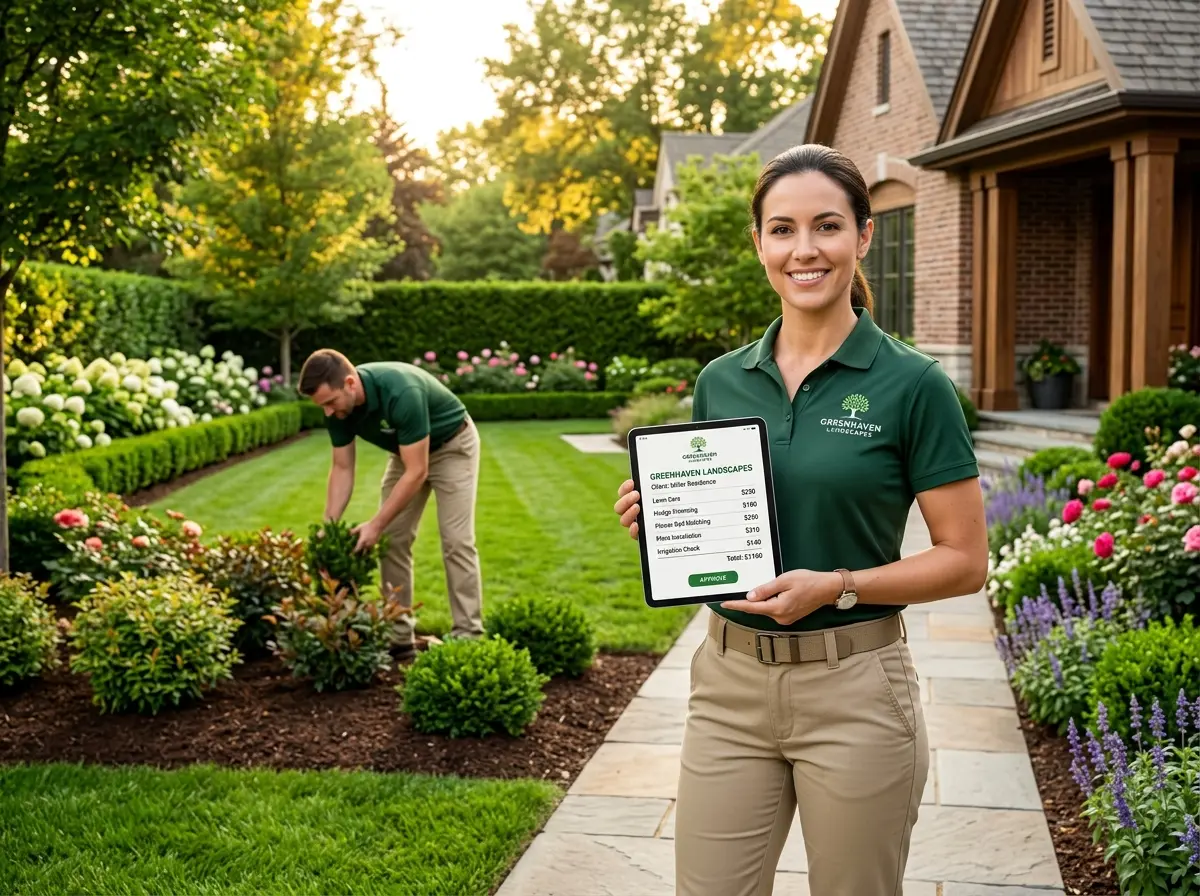
This doesn't mean you need a design degree. It means your quotes should be clean, itemized, and clear. Explain what's included, what's not, and why your pricing is what it is. A brief, honest explanation of your process builds confidence and helps customers understand they're not just paying for materials — they're paying for your expertise and professionalism.
How Better Customer Communication Can Change the Game
Your Phone Line Is Either an Asset or a Liability
For most contractors, the phone is where jobs begin — and also where they quietly fall apart. A missed call from a new prospect isn't a minor inconvenience; it's potentially thousands of dollars walking out the door. And if a customer gets voicemail on the first try, there's a solid chance they're already dialing your competitor before the beep sounds.
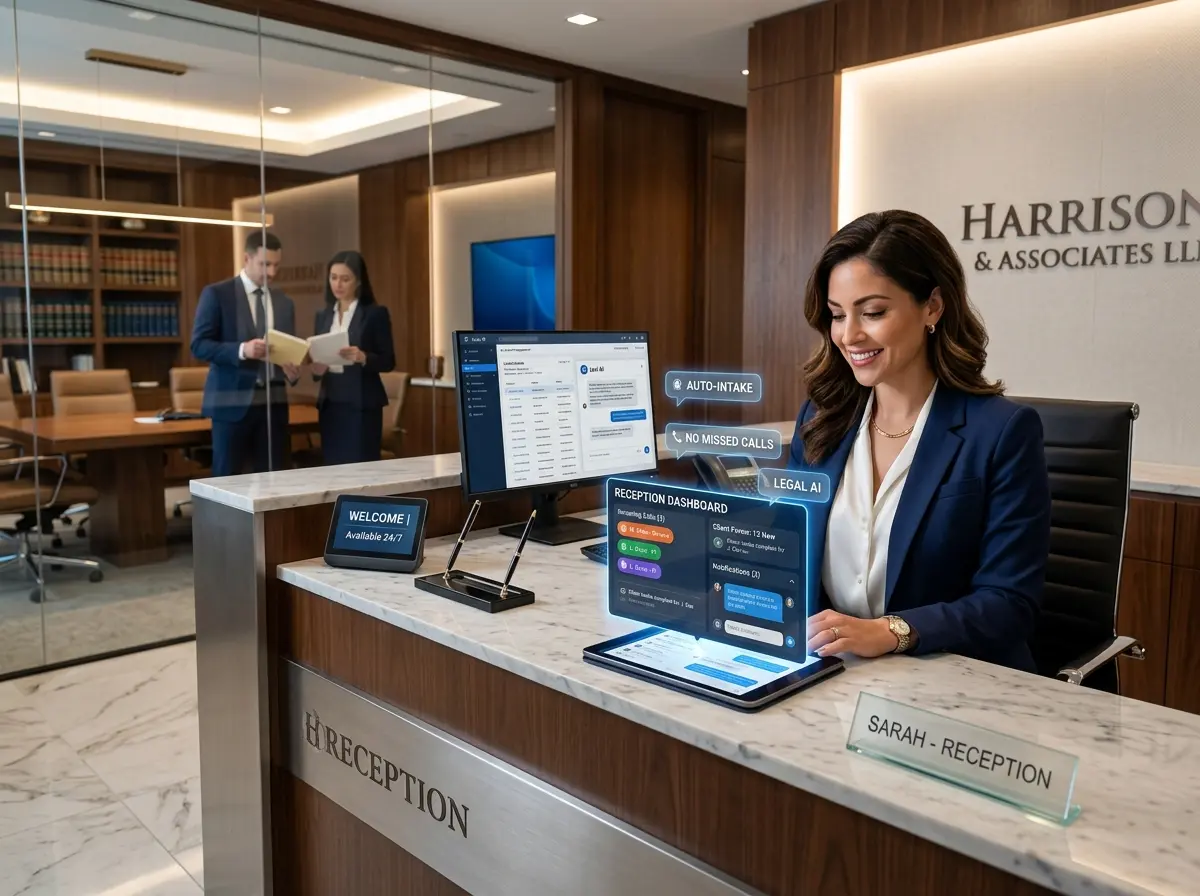
This is exactly where Stella — an AI robot employee and phone receptionist — can step in and quietly save the day. Stella answers calls 24/7 with full knowledge of your business: your services, your pricing, your availability, and your current promotions. She can collect customer information through conversational intake forms right on the call, so by the time you call back, you already know what the job is, where it is, and what the customer needs. No phone tag. No cold starts. Just warm, qualified leads handed to you on a silver platter. For contractors with a physical office or showroom, she also works as an in-store kiosk — greeting walk-in customers and keeping them engaged while your team is occupied. Her built-in CRM logs every contact with custom fields, tags, and AI-generated profiles, so nothing falls through the cracks.
Winning More Jobs Without Lowering Your Prices
Stop Competing on Price — Start Competing on Trust
If you're constantly losing jobs to cheaper competitors, the temptation is to drop your rates. Resist that temptation with every fiber of your being. Competing on price is a race to the bottom, and the bottom is not a fun place to be. Instead, compete on trust, communication, and reliability — because that's what customers actually want when they're letting someone into their home or business.
Trust-building starts before the quote even arrives. It starts with a professional phone interaction, a prompt response, and a consultation that makes the customer feel heard. It continues with a clear, detailed proposal and a follow-up that isn't awkward or pushy. By the time a price-conscious customer is weighing your quote against a cheaper competitor's, they've already had three or four positive touchpoints with you. That's worth real money — often hundreds of dollars of "trust premium" that customers are happy to pay.
Make It Easy to Say Yes
Friction kills deals. If your customer has to print, sign, scan, and email a contract back to you, you've introduced friction. If they have to call you during business hours to ask a simple question about the quote, that's more friction. The easier you make it to approve a proposal, ask a question, or schedule a start date, the faster jobs close.
Consider digital proposals with e-signature options. Offer a simple way for customers to reach you with questions — even a dedicated text line helps. And if you can answer common questions automatically (through your website, a chatbot, or a 24/7 phone receptionist), you eliminate the delays that cause deals to go cold. Customers don't want to feel like hiring you is a part-time job.
Track Your Quotes Like They're Money — Because They Are
If you don't know your current quote-to-close rate, you're flying blind. Take a month and track every quote you send: how many went out, how many closed, how many ghosted you, and how many went to a competitor. The numbers will tell you exactly where your process is breaking down — whether it's in follow-up timing, proposal quality, or first-contact speed.
Once you have a baseline, you can start making deliberate improvements and measuring their impact. Even moving your close rate from 25% to 35% can mean tens of thousands of dollars in additional annual revenue without sending a single extra quote. That's not a small number.
Quick Reminder About Stella
Stella is an AI robot employee and phone receptionist built for businesses of all sizes — including contractors and service providers. She answers calls around the clock, greets customers in person at your location, collects lead information through conversational intake forms, and keeps everything organized in a built-in CRM — all for just $99 a month with no upfront hardware costs. If your phone is where jobs are being lost, Stella is a straightforward way to stop the bleeding.
Start Closing the Gaps — Before Your Competitor Does
The quote-to-close problem isn't glamorous. It doesn't have the excitement of a big marketing campaign or the instant gratification of a new piece of equipment. But fixing it quietly and consistently is one of the highest-return things a contractor can do for their business. The jobs are already out there. People are already looking for someone exactly like you. The only question is whether your process makes it easy for them to choose you — or easy for them to choose someone else.
Here's your action plan, short and non-negotiable:
- Respond to every inquiry within the hour — use tools, systems, or an AI receptionist to make this automatic rather than aspirational.
- Send professional, itemized quotes — every single time, without exception.
- Build a five-touch follow-up sequence — and actually follow it.
- Track your close rate — if you can measure it, you can improve it.
- Remove friction from every step — digital proposals, easy communication, 24/7 availability where possible.
You're already doing the hard part — showing up, doing quality work, and building a reputation worth having. Don't let a leaky sales process be the reason those efforts don't translate into the revenue you deserve.