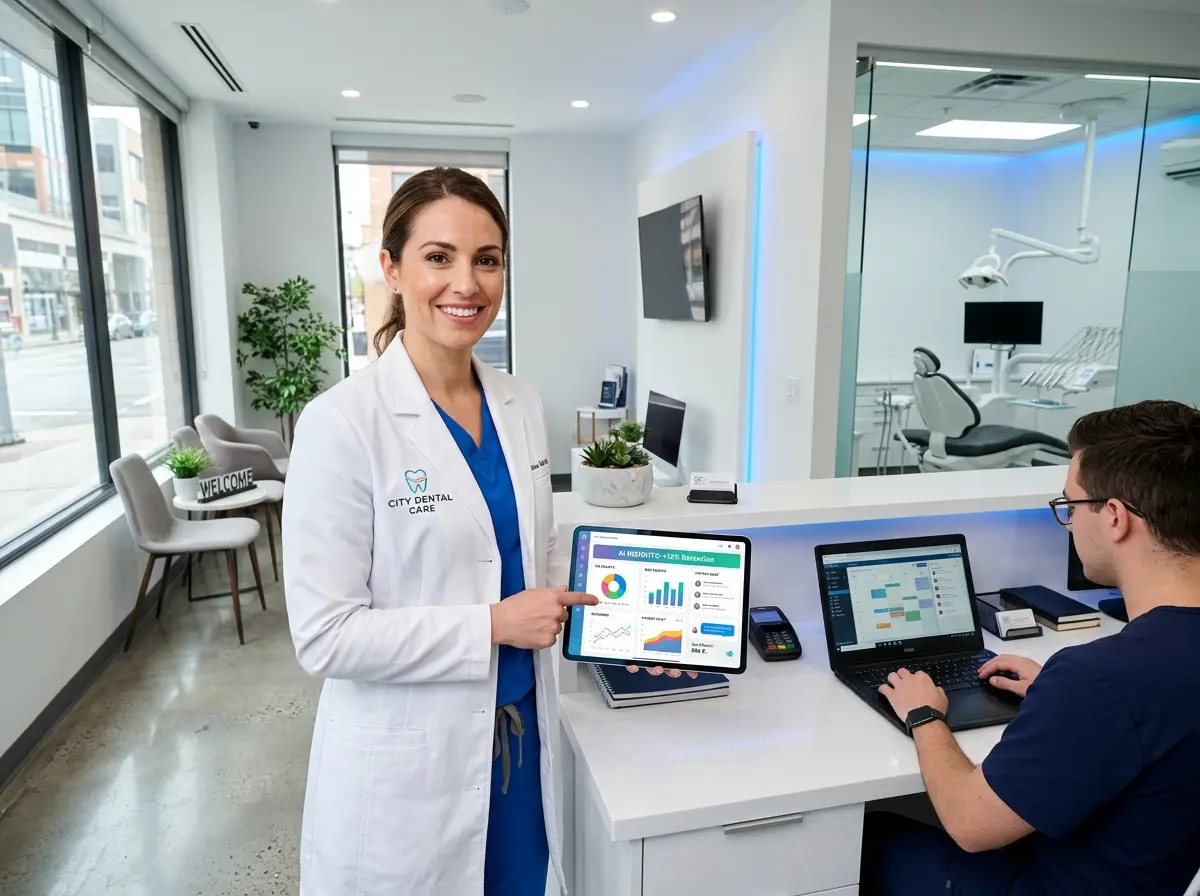
Let's Talk About the Elephant (or Drill) in the Room
Nobody wakes up excited for a dentist appointment. That's just the hard truth. Patients reschedule, forget, avoid, and sometimes simply vanish into the void — never to return until a tooth forces their hand. Meanwhile, your front desk staff is juggling phone calls, check-ins, insurance questions, and the occasional existential crisis, all before noon. If patient communication and retention feel like a constant uphill battle, you're not imagining it.
Here's the good news: technology has come a long way, and AI tools are quietly transforming how dental practices communicate with patients, reduce no-shows, and keep people coming back for their semi-annual cleanings instead of disappearing for three years. This guide breaks down the most impactful ways AI can improve patient communication and retention at your practice — without requiring you to get a computer science degree or mortgage your office equipment.
Why Patients Ghost You (And How to Fix It)
The Communication Gap Is Costing You Real Money
According to the American Dental Association, the average no-show rate for dental practices hovers between 5% and 10%, with some practices reporting rates as high as 20%. At an average appointment value of $200–$300, even a modest no-show problem can cost a practice tens of thousands of dollars annually. That's not pocket change — that's a front desk employee's salary walking out the door every year.
The root cause (pun absolutely intended) is usually a communication breakdown. Patients don't receive timely reminders, don't feel engaged between appointments, or simply don't understand the importance of follow-up care. Traditional recall postcards are relics of a different era, and a single phone call from a busy front desk staff member isn't always enough to cut through the noise of modern life.
Automated Reminders That Actually Work
AI-powered reminder systems can send personalized appointment reminders via text, email, or even voice call — at the right time, in the right format, for the right patient. The difference between a generic "Your appointment is tomorrow" blast and a personalized "Hi Sarah, just a reminder about your cleaning with Dr. Martinez at 2 PM — reply YES to confirm or NO to reschedule" is significant. Studies show that two-way SMS reminders reduce no-show rates by as much as 30–40% compared to one-way notifications.
The actionable tip here is simple: if your practice management software doesn't support two-way automated reminders with easy rescheduling links, it's time to upgrade that piece of your stack. Patients want convenience, and giving them a frictionless way to confirm or adjust their appointment removes the single biggest reason they end up as a no-show — forgetting to cancel and then feeling too awkward to come in anyway.
Reactivation Campaigns for Lapsed Patients
Every dental practice has a graveyard of patients who came in once and never returned. AI tools can analyze your patient database, identify those who are overdue for care, and trigger personalized reactivation campaigns automatically. A well-crafted reactivation message — especially one that mentions it's been "a while" and gently nudges the patient about their oral health — can bring back 10–15% of lapsed patients when deployed consistently. That's revenue sitting in your existing database, not requiring a single new patient acquisition dollar.
AI at the Front Desk: Your New Favorite Team Member
When Your Phone Is Both a Lifeline and a Liability
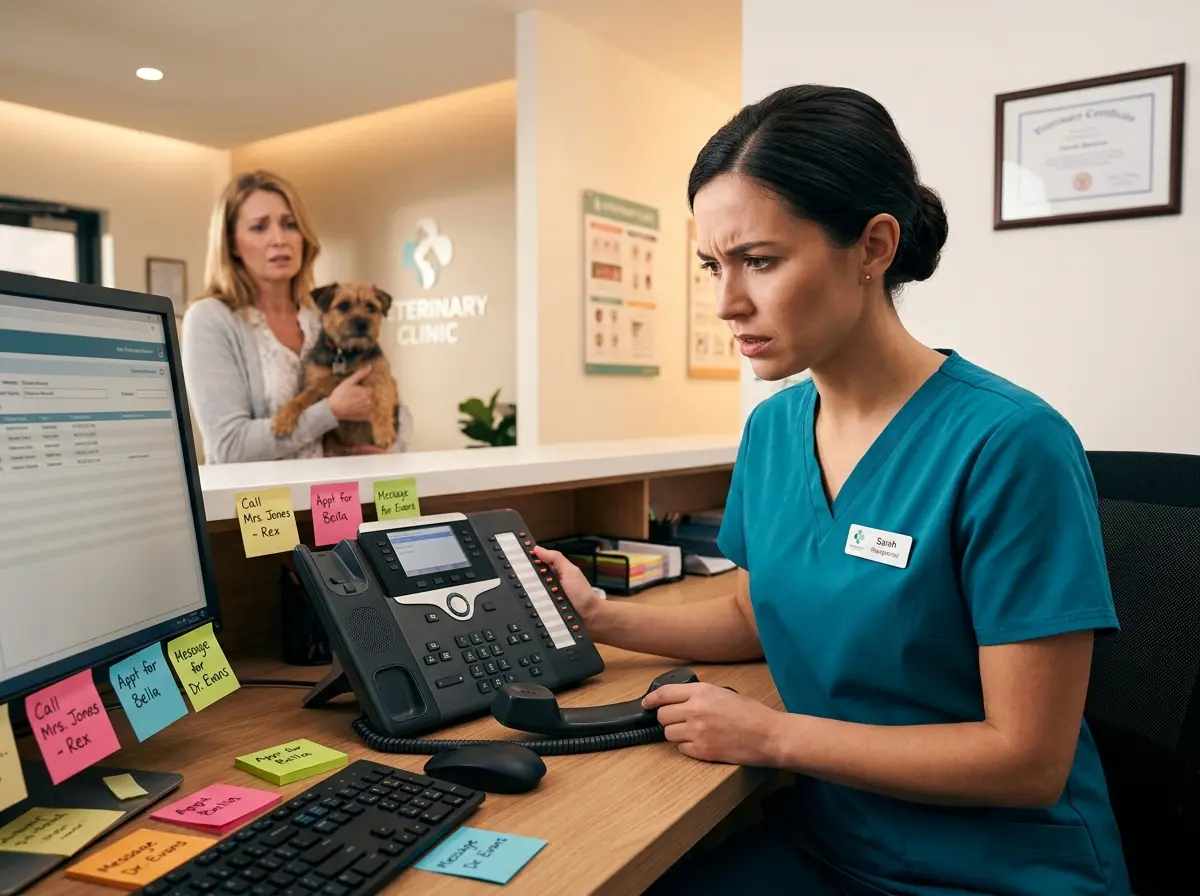
The phone at a dental practice is, paradoxically, one of the most important and most neglected patient touchpoints. Calls go unanswered during lunch breaks, after hours, and during those chaotic morning rushes when two hygienists are running behind and a patient is at the front desk asking about their insurance. Missed calls mean missed appointments, missed new patients, and a subtle but real message to callers that your practice isn't quite on top of things.
This is exactly where Stella, an AI robot employee and phone receptionist, steps in. Stella answers every call, 24 hours a day, 7 days a week, with consistent, professional knowledge about your practice — hours, services, accepted insurance types, appointment availability, and more. She can collect patient intake information conversationally during phone calls, log it directly into her built-in CRM with AI-generated profiles, and even push voicemail summaries with notifications to your managers so nothing slips through the cracks. For practices that also have a physical waiting room presence in mind, Stella's in-person kiosk form greets patients as they arrive and answers questions proactively — a surprisingly underrated way to reduce front desk interruptions and improve the patient experience from the moment they walk in.
Building a Communication Strategy That Keeps Patients Loyal
Personalization Is No Longer Optional
Today's patients expect personalized communication — the same way they expect Netflix to recommend shows they'll actually like rather than showing them a random catalog. AI tools that integrate with your practice management system can segment patients by treatment history, risk factors, age group, and last visit date, allowing you to send relevant, targeted messages. A patient who just had a crown placed should receive different follow-up communication than someone due for a routine cleaning. Someone who hasn't responded to three recall reminders might respond better to a different channel or message tone entirely.
Personalization doesn't require a marketing team. Many AI-powered dental communication platforms — such as Weave, Lighthouse 360, or Solutionreach — offer pre-built segmentation and campaign templates that make this approachable even for small, independent practices. The investment in these tools typically pays for itself within the first few recovered patient appointments.
Post-Appointment Follow-Up That Builds Real Relationships
The appointment ending isn't the end of the patient relationship — it's actually a prime opportunity. Sending a thoughtful follow-up message after a procedure, checking in on how a patient is feeling after a difficult extraction, or simply thanking someone for their visit creates a human connection that builds loyalty over time. AI can automate these touchpoints without making them feel robotic, especially when the messages are warm, specific, and timed appropriately.
Consider building a simple post-appointment sequence: a same-day thank-you message, a 48-hour check-in for more invasive procedures, and a review request at the one-week mark for patients who had a positive experience. Practices that actively solicit Google reviews through automated follow-ups consistently outperform their competitors in local search rankings — which means more new patients finding you before they find anyone else. It's the kind of marketing that doesn't feel like marketing, and that's precisely why it works.
Using Data to Understand What's Actually Working
One of the most underutilized advantages of AI tools is the data they generate. Which messages have the highest open rates? Which reminder format produces the most confirmations? Which reactivation campaigns convert lapsed patients most effectively? Modern AI communication platforms surface these insights automatically, allowing you to make informed decisions about your communication strategy rather than guessing.
Set aside time quarterly — yes, actually block it in your calendar — to review the data your tools are generating. Look for patterns: Are cancellations spiking on specific days? Are certain patient segments consistently unresponsive to email but responsive to SMS? Small adjustments based on real data can compound into significant improvements in retention over time. Think of it as a check-up for your communication strategy, because apparently, dentists of all people should appreciate preventive care.
A Quick Reminder About Stella
Stella is an AI robot employee and phone receptionist built for businesses of all sizes — including dental practices that need a reliable, professional presence without the turnover, sick days, or lunch breaks. She answers calls around the clock, manages patient intake through conversational forms, and keeps your CRM organized with AI-generated contact profiles and interaction summaries. At $99/month with no upfront hardware costs, she's one of the more practical investments a growing practice can make.
Your Action Plan Starts Today
Improving patient communication and retention isn't a one-time project — it's an ongoing commitment to showing up for your patients the way you expect them to show up for their appointments. The tools are available, they're more affordable than ever, and the practices using them are quietly building the kind of loyal patient bases that make dentistry genuinely rewarding rather than a constant scramble for new faces.
Here's where to start:
- Audit your current no-show rate. If you don't know your number, pull the last three months of data from your practice management software. You can't fix what you're not measuring.
- Implement two-way automated reminders with easy confirmation and rescheduling options. This single change will have the fastest ROI of anything on this list.
- Run a lapsed patient reactivation campaign targeting anyone who hasn't been seen in 18+ months. Start with your last 200 lapsed patients and build from there.
- Add post-appointment follow-up sequences for both routine and procedural visits, including a gentle review request for happy patients.
- Evaluate your phone coverage. If calls are being missed regularly, explore AI phone receptionist solutions that keep your practice accessible after hours and during peak times.
Your patients want to hear from you — they just need the right message at the right time. And if you make it easy enough, some of them might even show up without a toothache forcing their hand.