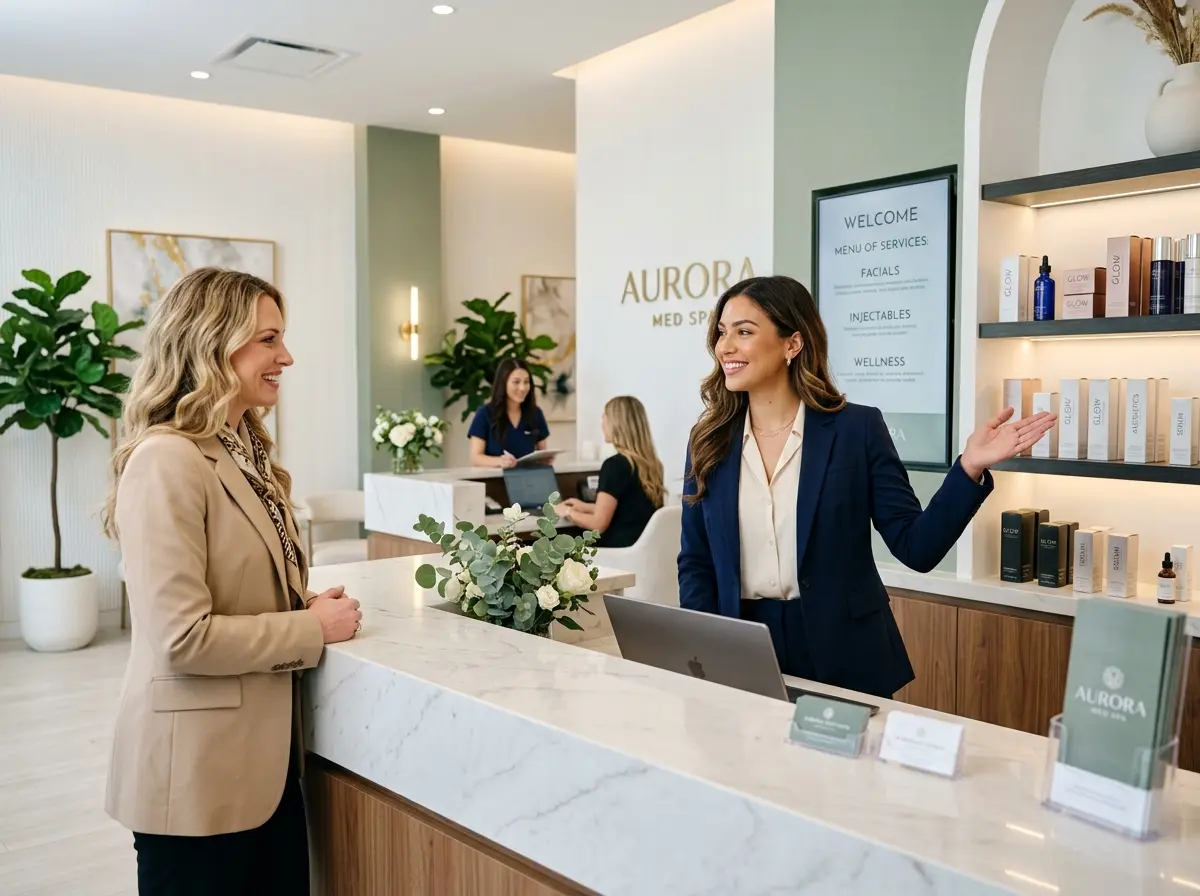
Why Your Front Desk Team Is Leaving Money on the Table (And How to Fix It)
Let's be honest — your front desk team is doing a lot. They're checking patients in, answering phones, managing schedules, handling payments, and somehow still expected to smile warmly at everyone who walks through the door. Asking them to also expertly recommend add-on services in the middle of all that chaos is a big ask. And yet, suggestive selling at the front desk is one of the highest-ROI activities a medical spa can invest in — if it's done right.
The problem isn't that your team doesn't care. It's that most front desk staff were never given a real framework for how to recommend services without feeling pushy, awkward, or like they're reading from a telemarketer's script. The result? Missed opportunities, inconsistent upsells, and revenue that quietly walks out the door with every guest who leaves without knowing about your latest treatment packages.
This post gives you a practical, repeatable framework that actually works — one that feels natural for your team and genuinely helpful for your clients.
Understanding the Art of Suggestive Selling in a Clinical Setting
Suggestive selling in a medical spa is fundamentally different from upselling at a car dealership or a fast food counter. Your clients are often in a vulnerable headspace — they're investing in themselves, they may be self-conscious, and they absolutely notice when a recommendation feels transactional versus caring. The good news? That same emotional context is exactly what makes well-done suggestive selling so effective. When clients feel understood, they trust your recommendations.
It's Not Selling — It's Curating
Reframe the concept for your team entirely. Nobody on your front desk went into healthcare administration dreaming of being a salesperson, and that mindset can actually work in your favor. The goal isn't to push products — it's to curate a better experience for each client based on what you already know about them. A client coming in for a Botox touch-up who mentioned last time that she's concerned about skin texture? That's not a sales target. That's someone who genuinely might benefit from a microneedling consultation, and your team is doing her a disservice by staying quiet.
Training your team to think of themselves as informed guides rather than salespeople dramatically reduces the psychological resistance they have to making recommendations — and clients feel the difference immediately.
Timing Is Everything
There's a reason suggesting an add-on service while someone is signing a consent form doesn't work well. Cognitive load is real, and your clients have a finite amount of mental bandwidth during a visit. The most effective moments for suggestive selling are during check-in conversations, when a client is relaxed and engaged, and during checkout, when the positive experience of their treatment is fresh and they're already in a "yes" mindset. Avoid the chaotic in-between moments when your front desk team is juggling three things at once — rushed recommendations come across as hollow and forgettable.
A Simple Three-Step Framework Your Team Can Actually Use
Frameworks fail when they're too complicated to remember under pressure. This one has three steps, works in under 60 seconds, and can be adapted for virtually any service or product your spa offers.
Step 1 — Observe and Connect
Before making any recommendation, your team member should make a genuine observation or connection to something the client has already mentioned. This can be as simple as pulling up their client history before they arrive and noting what they've had done before, what they've expressed interest in, or how long it's been since their last visit. A natural opener might sound like: "I noticed it's been about six months since your last HydraFacial — are you still loving the results?" This signals that your team pays attention, which builds trust instantly. It also opens the door to the recommendation without forcing it.
Step 2 — Recommend with a Reason
The recommendation itself should always include a brief, genuine reason. Not a feature list — a reason that connects to that specific client's goals. Compare these two approaches:
- Generic: "We're running a special on our vitamin C serum this month."
- Connected: "Since you're doing a lot of laser treatments right now, a vitamin C serum would help protect your results between sessions — and we actually have a promotion on it this month."
The second version does exactly one extra thing: it ties the offer to the client's current treatment journey. That's what makes it feel like advice rather than advertising.
Step 3 — Make It Easy to Say Yes (Or No)
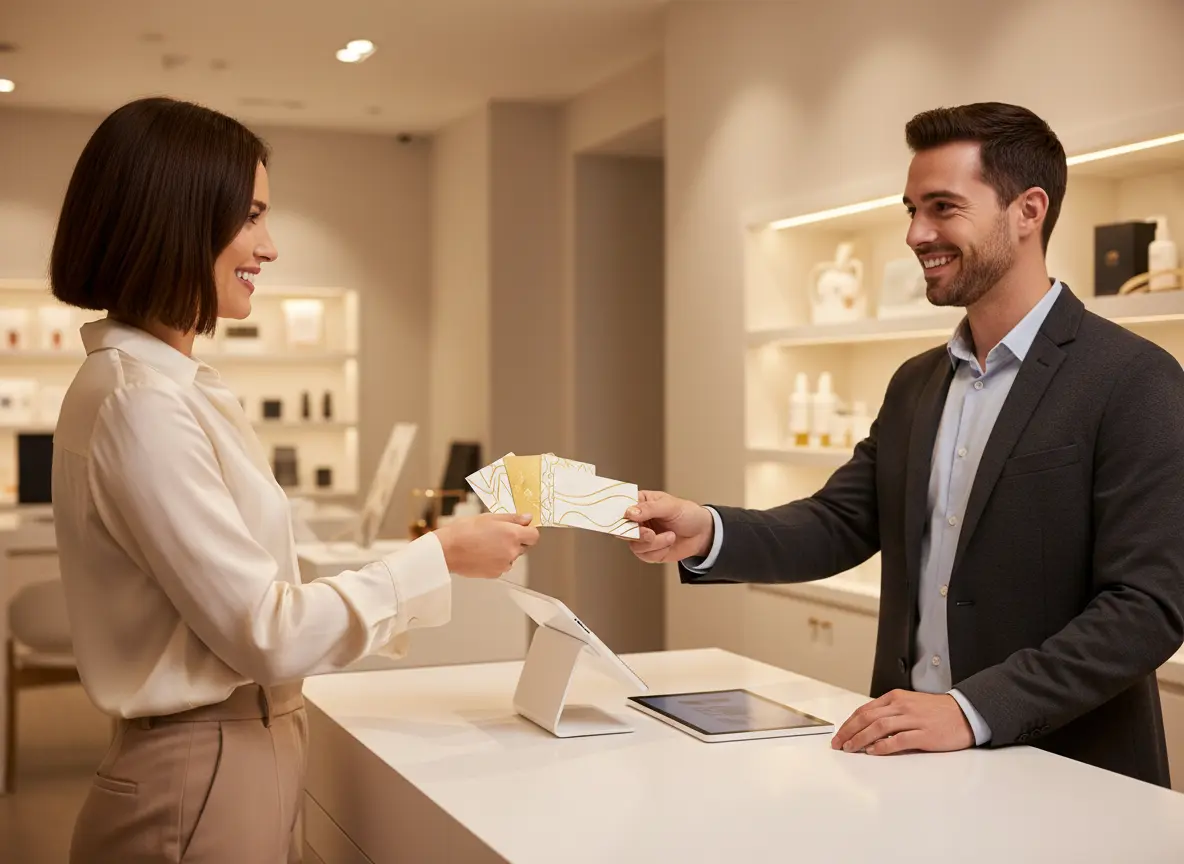
High-pressure closes kill trust at medical spas. Your clients are not buying a mattress — they're making decisions about their bodies, and they need to feel zero pressure. The best suggestive selling ends with an easy, low-stakes invitation: "I can grab one for you to take home today, or if you want to think about it, we can note it on your profile for next time." That second option — noting it for next time — is genuinely powerful. It demonstrates that your team is organized, attentive, and playing a long game with the client relationship. And clients remember that.
How the Right Tools Make Suggestive Selling Effortless
Even the best framework falls apart without the right support systems behind it. Your front desk team can't personalize recommendations for clients they know nothing about, and they can't follow up on soft interests if there's nowhere to record them. This is exactly where technology starts to pull its weight.
Let Stella Handle the Groundwork
Stella, the AI robot receptionist and in-store kiosk, is built for this kind of support role. In a medical spa setting, she can greet clients as they arrive, promote current specials and treatment packages, and even surface relevant information through conversational intake — all before your human team has said a word. That means your front desk staff walk into every client interaction with context already established and the client already warmed up to what's available.
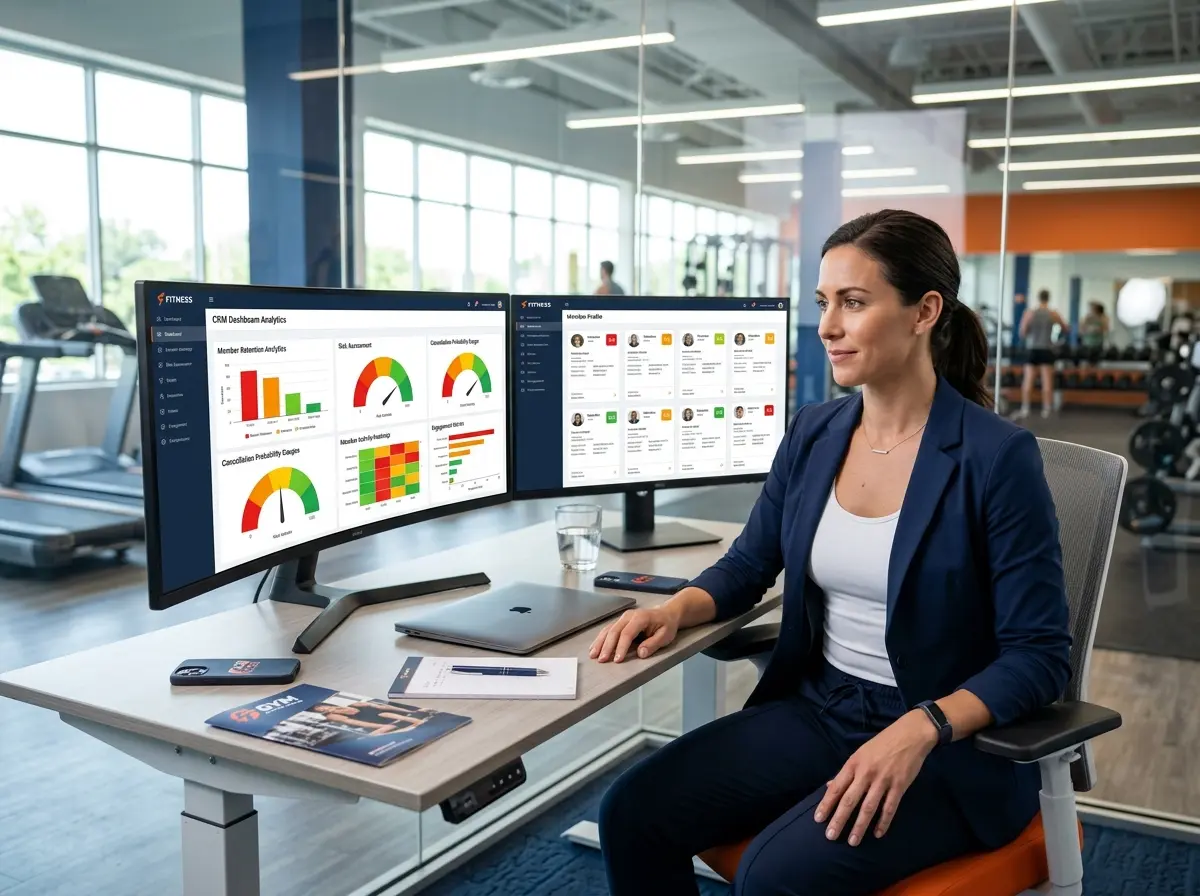
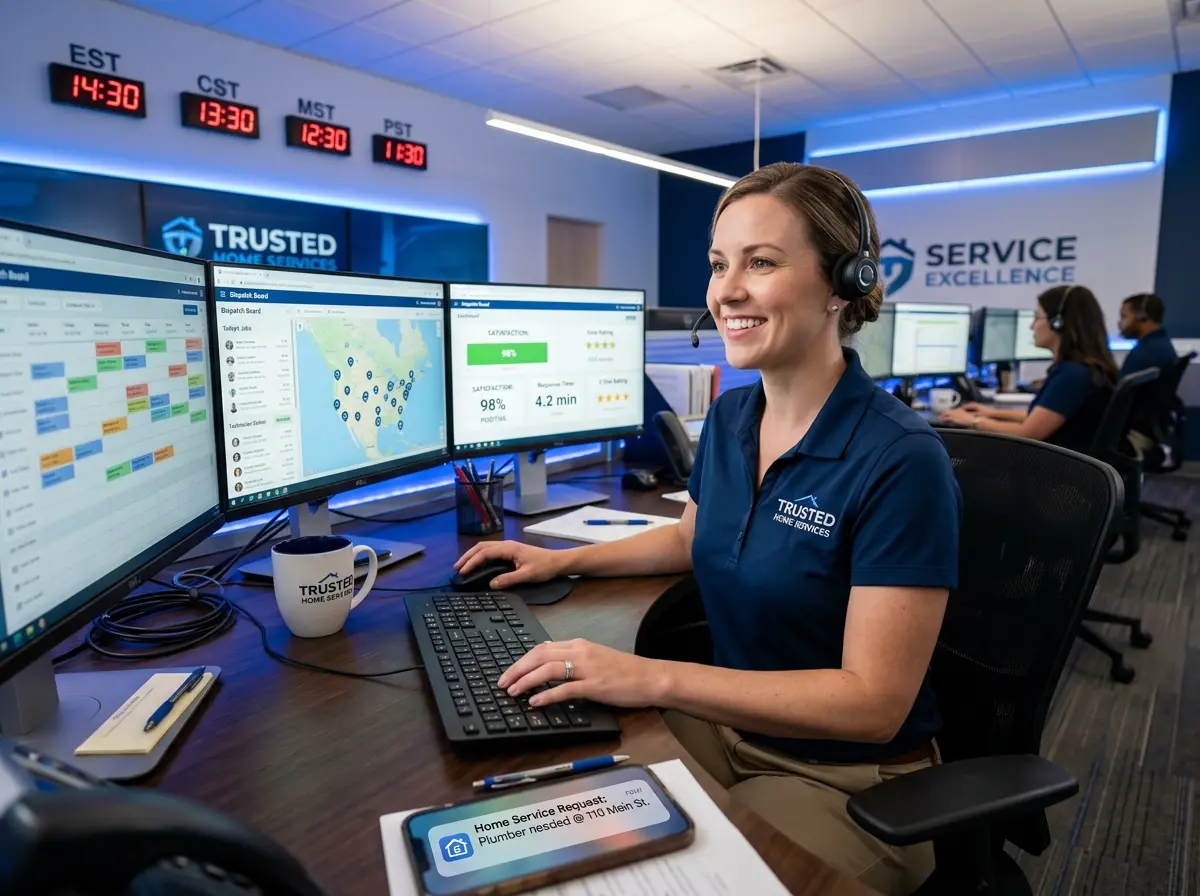
On the phone side, Stella answers calls 24/7 and can collect intake information, answer questions about services and pricing, and capture client interest in specific treatments — all logged in her built-in CRM with AI-generated profiles and custom notes. When a client calls to book and mentions they've been curious about a specific treatment, that information doesn't vanish into the ether. It's waiting for your team when the client arrives, ready to be the foundation of a natural, personalized recommendation.
Training Your Team to Do This Consistently
A framework only works if it's practiced, not just presented. One training session isn't enough — consistency comes from repetition, feedback, and making suggestive selling a normal part of how your team talks about their work.
Role-Play Is Uncomfortable and Absolutely Necessary
Yes, your team will hate role-playing. Do it anyway. Short, scenario-based practice sessions — even five minutes during a weekly huddle — build the muscle memory that makes recommendations feel natural rather than rehearsed. Run through common scenarios: a returning client, a first-time visitor, a client who just had a difficult treatment, a client who's budget-conscious. The goal isn't perfection. It's reducing hesitation so that when the real moment comes, your team member doesn't freeze and miss it.
Track It, Celebrate It, Refine It
What gets measured gets done. If you're not tracking which front desk team members are making recommendations — and how often those recommendations convert — you have no way of knowing what's working. Start simple: a weekly tally of add-ons recommended versus accepted is enough to reveal patterns. Celebrate small wins publicly and use low-conversion periods as coaching opportunities rather than performance criticisms. Front desk teams that feel supported in suggestive selling become genuinely good at it. Those that feel judged quietly stop trying.
Keep the Menu Manageable
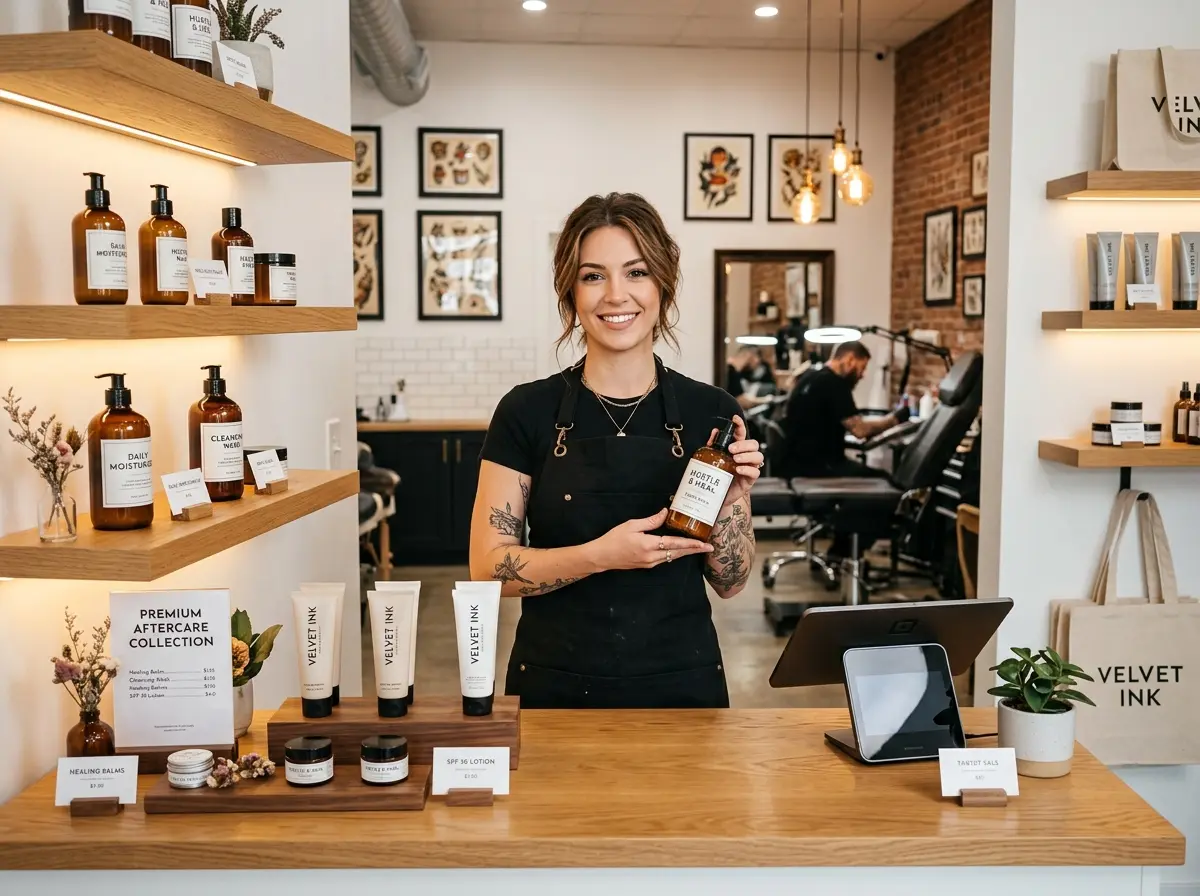
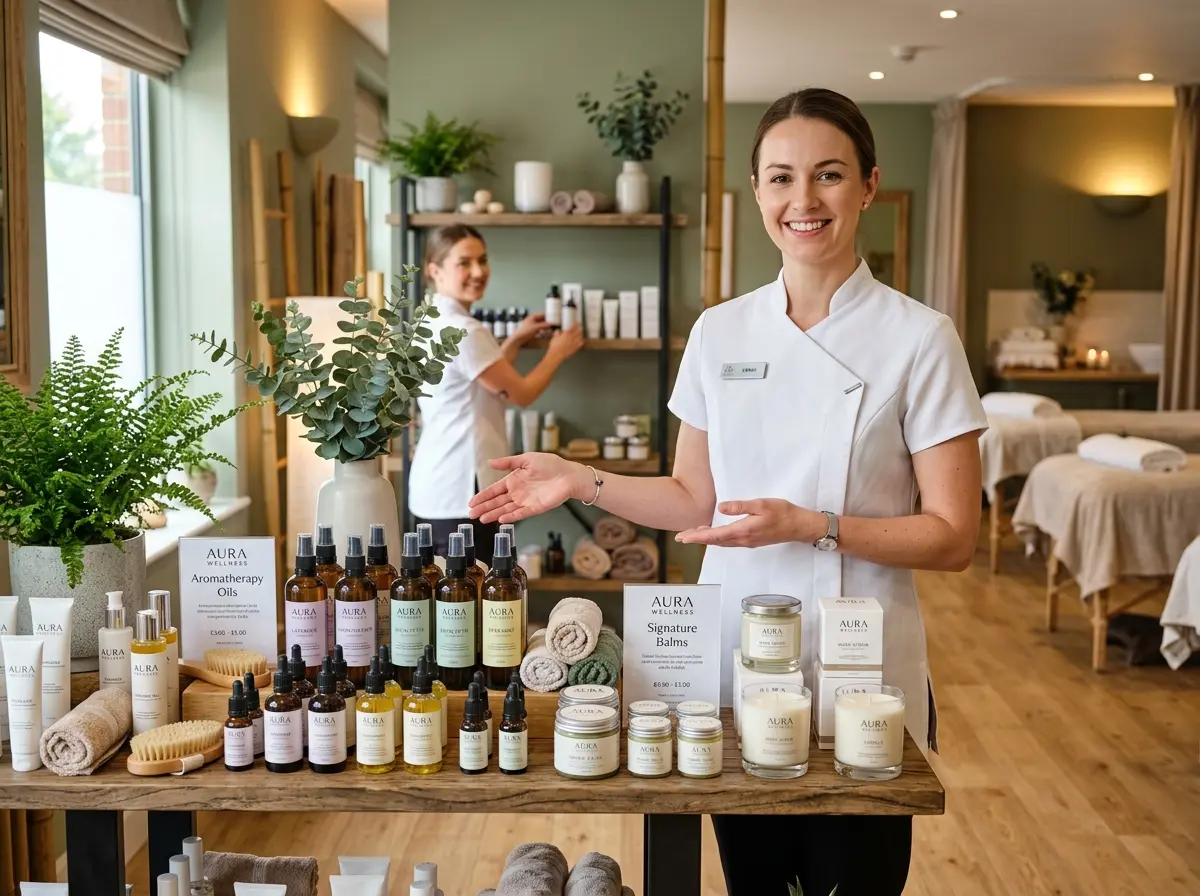
One of the most common reasons front desk teams avoid making recommendations is that they don't feel confident enough in the full service menu to speak about it naturally. Solve this by creating a rotating focus — each month, highlight two or three services or products that the whole team learns deeply and is responsible for recommending. This reduces overwhelm, keeps knowledge fresh, and ensures your promotions actually get mentioned to clients instead of sitting unnoticed on a rack near the door.
Quick Reminder About Stella
Stella is an AI robot employee and phone receptionist built for businesses like yours — she greets clients in person at her kiosk, answers phones around the clock, and promotes your services and specials without breaks, bad days, or turnover. At just $99/month with no hardware costs, she's the kind of team member that never calls in sick and never forgets to mention the monthly special. For medical spas looking to support their front desk team and capture more revenue from every interaction, she's worth a serious look.
Start Turning Conversations Into Revenue
Suggestive selling at a medical spa isn't about being pushy — it's about being present and prepared. When your front desk team knows their clients, understands the framework, has the right tools behind them, and feels genuinely supported in making recommendations, the results speak for themselves. Industry data consistently shows that increasing average transaction value through add-ons and retail is one of the most cost-effective growth strategies a spa can pursue — far cheaper than acquiring a new client.
Here's what you can do this week to get started:
- Introduce the three-step framework at your next team huddle and walk through two or three real client examples together.
- Pick two services or products to focus on this month and make sure every front desk team member can speak to them confidently.
- Set up a simple tracking system — even a shared spreadsheet — to log recommendations and outcomes.
- Evaluate your intake and CRM process to ensure client history is actually accessible and usable at the point of interaction.
Your front desk team is already the face of your business. With the right framework and the right support, they can also be one of your most powerful revenue drivers — no awkward sales pitch required.