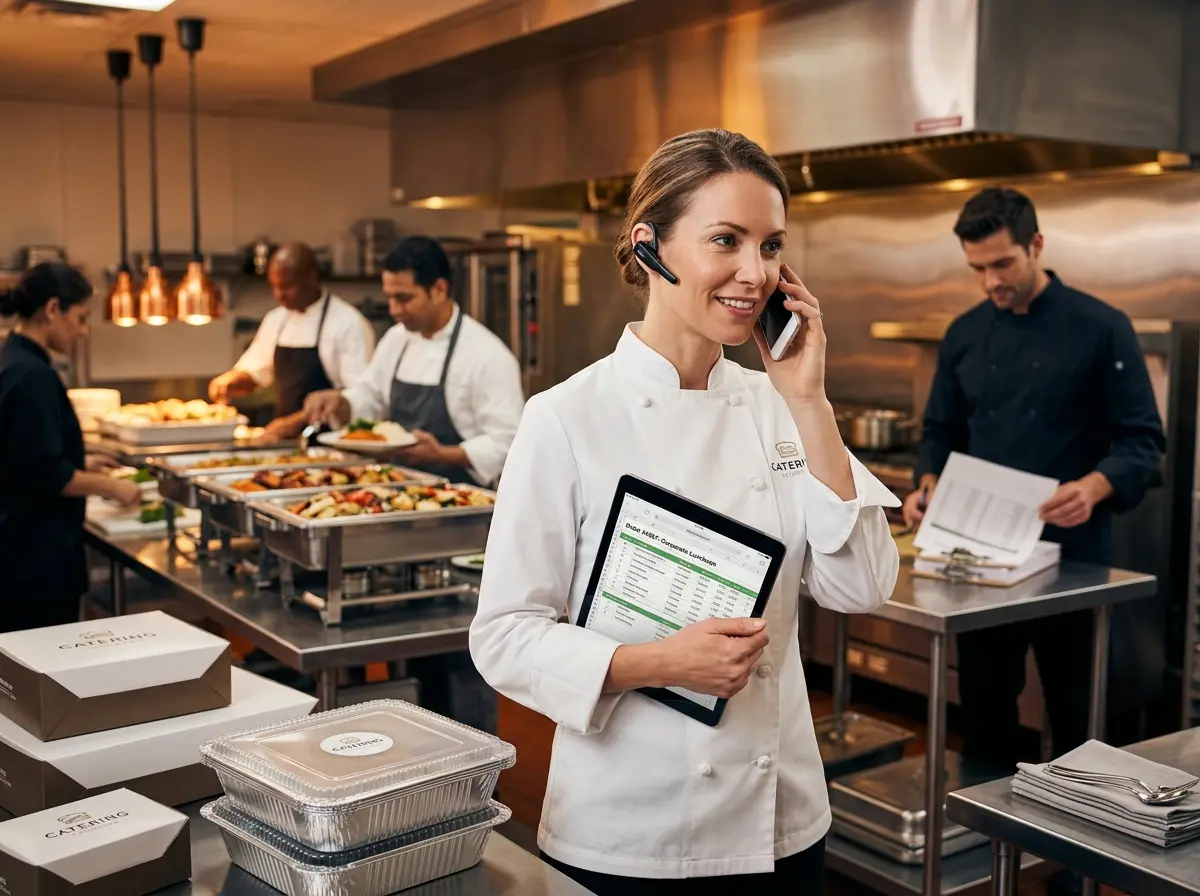
Your Catering Line Is Ringing. Nobody's Answering. Congratulations.
Picture this: A corporate event planner is trying to book a catered lunch for 200 people. She calls your restaurant's catering line on a Tuesday afternoon. She gets voicemail. She calls back Thursday. Voicemail again. By Friday, she's booked your competitor — who, incidentally, answered on the second ring. That's not just a missed call. That's a missed $3,000 order and probably a recurring client relationship worth ten times that.
Here's the uncomfortable truth: most restaurants treat their catering line like a second phone in the back office — technically it exists, but nobody's really responsible for it. Your front-of-house staff are slammed during lunch rush. Your manager is putting out twelve different fires simultaneously. And your catering inquiries? They're quietly piling up in a voicemail box that gets checked when someone remembers.
Catering is one of the highest-margin revenue streams a restaurant can tap into, and yet it routinely gets the least amount of operational attention. If you're serious about growing your catering business — whether it's corporate lunches, weddings, private events, or office meal plans — your catering line needs its own dedicated response strategy. Not a sticky note on the fridge that says "check voicemail." An actual strategy.
Why Catering Inquiries Are Nothing Like Regular Restaurant Calls
The Stakes Are Exponentially Higher
When someone calls to ask if you have gluten-free options for their Tuesday dinner, the stakes are relatively low. They might come in, they might not. But when someone calls your catering line, they're typically planning something significant — a company event, a family celebration, a recurring office lunch order. The average catering order is worth hundreds to thousands of dollars, and the average catering client, if treated well, comes back repeatedly.
This means a missed catering call isn't just a missed call — it's a missed relationship. And unlike your dine-in customers who might forgive a ten-minute wait, catering clients are often event planners or office managers who are evaluating vendors. Responsiveness is part of your pitch, whether you realize it or not. If you can't answer the phone promptly when they're trying to give you money, they're already wondering how reliable you'll be on the day of the event.
Catering Inquiries Require More Information Exchange
A regular phone call might last ninety seconds. A catering inquiry? You're looking at collecting event dates, headcounts, dietary restrictions, delivery addresses, budget ranges, preferred menu items, setup requirements, and payment terms — just to get started. This isn't a conversation that should be handled by whoever happens to grab the phone between seating guests. It requires focus, knowledge of your catering menu, and ideally, a structured intake process so nothing falls through the cracks.
Without that structure, you end up with incomplete notes, callbacks that don't happen, and quotes that never get sent. The client assumes you're not interested. You assume they went quiet. Everyone loses.
Timing Doesn't Cooperate With Your Lunch Rush
Here's the brutal irony of restaurant catering: the people most likely to call about catering — office managers, event coordinators, administrative assistants — are calling during business hours. Specifically, they're calling between 10 AM and 2 PM, right when your kitchen is in full sprint mode and your staff has approximately zero bandwidth for a detailed catering consultation. Your busiest hours and your catering clients' preferred calling hours overlap almost perfectly, which means the problem isn't staffing — it's strategy.
How to Build a Response Strategy That Actually Works (and Doesn't Require Hiring a Full-Time Catering Coordinator)
Where Technology Can Carry the Load
You don't need to hire a dedicated catering coordinator to answer every inquiry promptly and professionally — you need the right system in place. This is exactly where Stella, the AI robot employee and phone receptionist, earns her keep. Stella answers your catering line 24/7, gathers all the relevant inquiry details through conversational intake forms, and organizes everything into her built-in CRM with AI-generated contact profiles, custom fields, and tags. So when your catering manager does sit down to follow up, they're not starting from scratch — they have a fully documented lead waiting for them.
For restaurants with a physical location, Stella's in-store kiosk presence also means walk-in catering inquiries get the same professional, informed treatment. Customers asking about catering options while picking up an order get real answers instead of a "let me find someone who knows."
The combination of 24/7 phone coverage, structured intake, and organized lead data means no catering inquiry disappears into the void again — and your team spends their time closing deals, not playing phone tag.
Designing Your Catering Response Workflow
Define What "Responded To" Actually Means
This sounds obvious, but most restaurants have never explicitly defined what a successful response to a catering inquiry looks like. Does it mean someone picked up the phone? Left a callback? Sent a menu PDF? Delivered a formal quote? You need to define the full response journey — from first contact to confirmed booking — and assign ownership at each stage.
A simple but effective approach: Tier your responses by inquiry type. A general question about pricing or menu availability gets a same-day response with your catering menu and a prompt to schedule a brief consultation call. A specific event inquiry — with a date, headcount, and venue — gets escalated immediately to whoever owns your catering relationships, with a target response time of two hours or less during business hours.
Build a Catering-Specific Intake Process
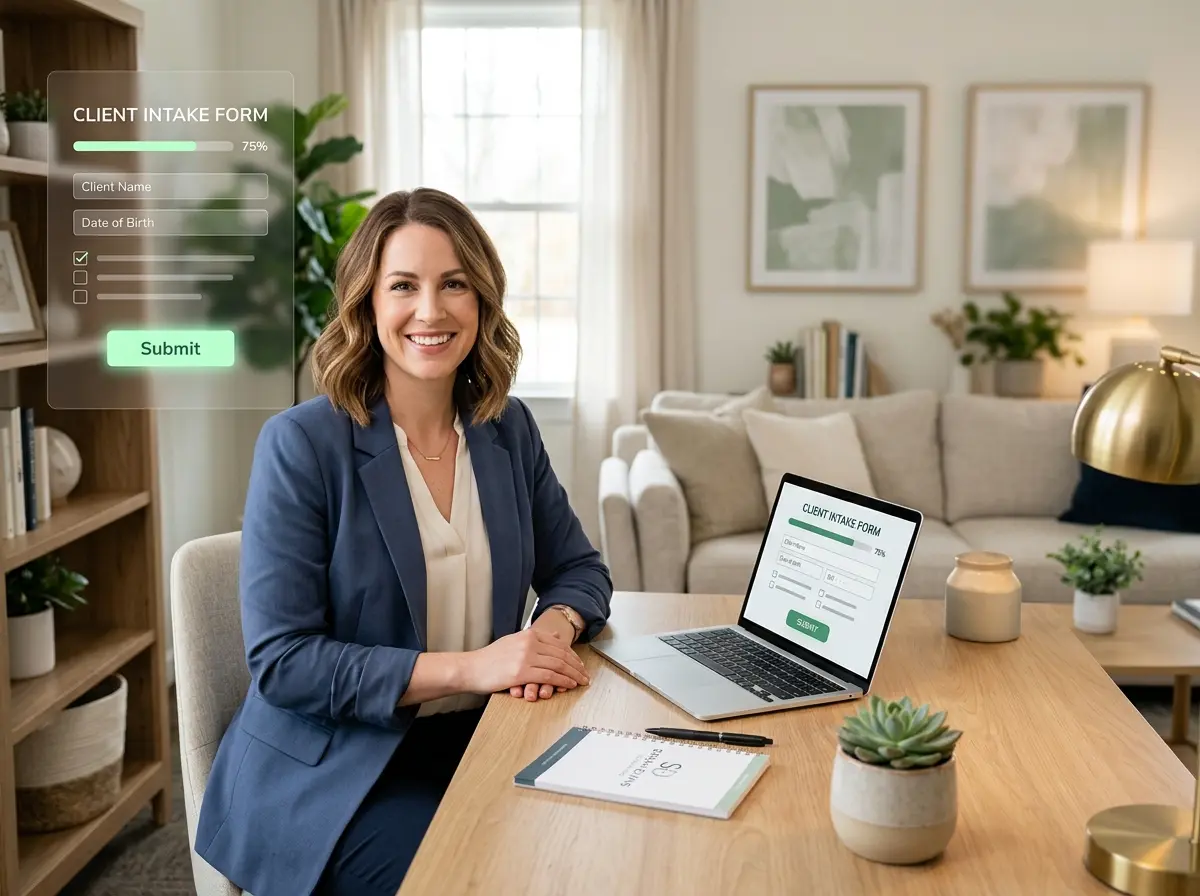
Stop relying on whoever answers the phone to remember what questions to ask. Create a standard intake form — digital or otherwise — that captures every piece of information you need to generate a quote and plan an event. At minimum, you want:
- Event date and time (including setup time requirements)
- Estimated guest count
- Dietary restrictions or allergies
- Service style (drop-off, buffet, plated, staffed)
- Delivery or venue address
- Budget range or per-person target
- Decision timeline and how they heard about you
When this intake happens consistently — whether through a human, an AI, or a web form — your follow-up becomes dramatically faster and more professional. You're not calling back to ask questions you should have already asked. You're calling back with a tailored proposal.
Set Response Time Standards and Hold Yourself to Them
In the catering world, speed signals reliability. Research consistently shows that leads contacted within the first hour of inquiry are significantly more likely to convert than those contacted after 24 hours — and in competitive markets, "24 hours" is already too slow. Set a hard rule: all catering inquiries get an initial acknowledgment within one hour during business hours, and no inquiry goes unaddressed for more than 24 hours, period. Then build your systems around meeting that standard automatically, not heroically.
This might mean an auto-response email that confirms receipt and sets expectations, an AI phone system that handles after-hours calls and captures lead details, and a push notification to your catering manager the moment a new inquiry comes in. The goal is that no catering lead ever wonders if their message landed.
Quick Reminder About Stella
Stella is an AI robot employee and phone receptionist built for businesses exactly like yours — answering calls 24/7, collecting customer information through structured intake, managing leads in a built-in CRM, and handling inquiries without pulling your staff away from their actual jobs. She's available for $99/month with no upfront hardware costs and works just as well on the phone as she does standing in your restaurant greeting guests. If your catering line needs a reliable first responder, she's ready to report for duty.
Stop Leaving Catering Revenue on the Table
Your catering line is a revenue channel that deserves real operational attention. The good news is that building a dedicated response strategy doesn't require a massive investment or a new hire — it requires clarity, consistency, and the right tools in place to make sure every inquiry gets a fast, professional, and informed response.
Here's where to start: Audit the last 30 days of catering inquiries. How many came in? How quickly were they responded to? How many converted? If you can't answer those questions — or if the answers are uncomfortable — that's your roadmap. Fix the intake process, set response time standards, assign clear ownership, and put technology to work handling the calls that come in when your team simply can't.
Catering clients are loyal, high-value, and often recurring. They're also impatient and well-organized — because planning events requires being impatient and well-organized. Match their energy, and you'll win more than your fair share of the business. Keep sending them to voicemail, and you'll keep reading your competitor's catering menu on the placard at the next industry event you attend.
The phone is ringing. This time, have a plan for it.