Introduction: Because "We'll Call You When Something's Wrong" Is Not a Wellness Strategy
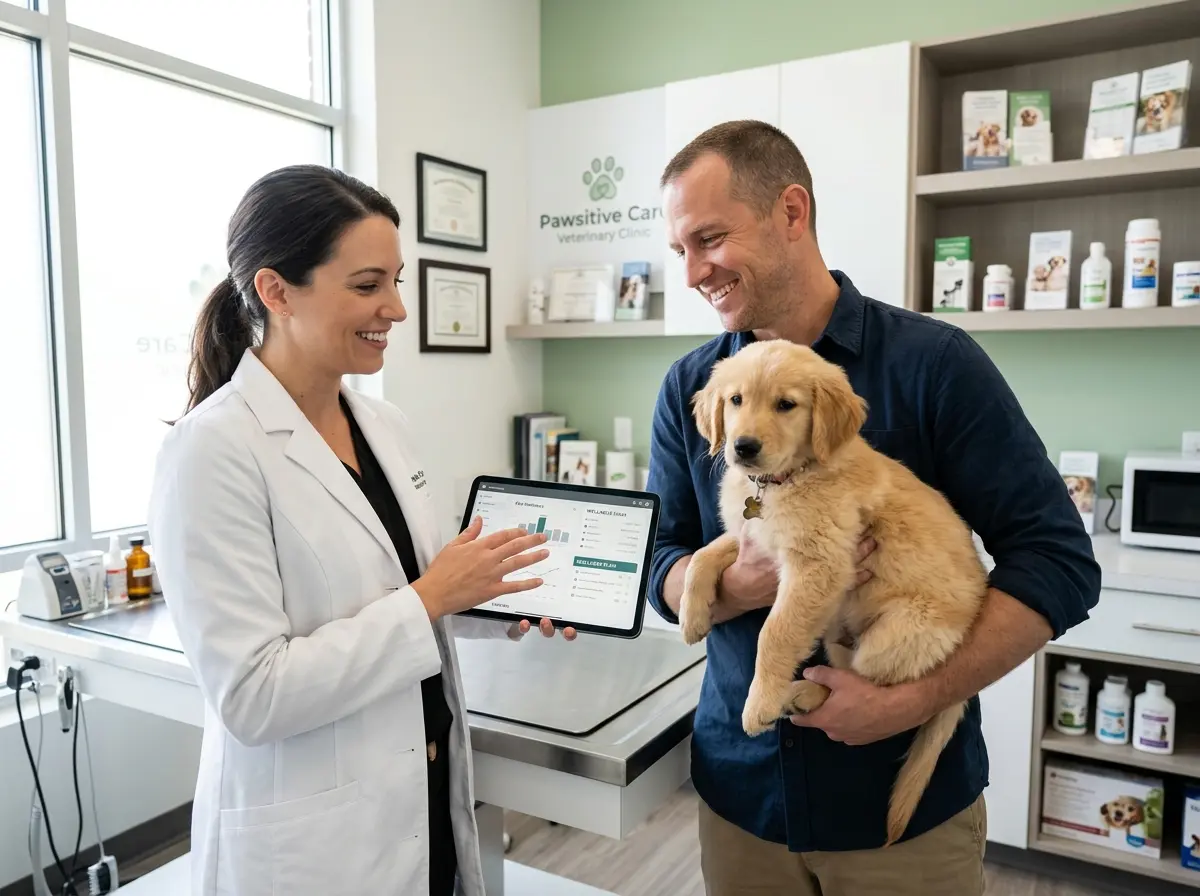
Let's be honest — most veterinary clinics are running a reactive operation dressed up in a proactive costume. You send out a postcard when a pet is overdue for vaccines. You make a call when it's time for a heartworm refill. And you cross your fingers hoping that the Johnsons' golden retriever, Biscuit, makes it back in before his flea prevention lapses for the third year in a row. Sound familiar?
Here's the hard truth: a reactive recall system isn't a wellness program. It's a safety net with very large holes. You're not guiding pet owners through their animals' health journey — you're just occasionally reminding them that the journey exists. The difference between a clinic that retains clients and one that constantly scrambles to recapture them comes down to one thing: proactive, personalized wellness communication.
The good news? Building a proactive reminder system isn't complicated, expensive, or a full-time job — especially when you have the right tools in your corner. This post walks you through why the shift matters, what a real wellness reminder system looks like, and how to implement one without losing your mind (or your front desk staff's sanity).
The Real Cost of Reactive-Only Communication
You're Losing Clients Without Even Knowing It
The average veterinary clinic loses between 20–30% of its active client base each year due to lapsed care — and most of those clients don't leave angry. They just drift. Life gets busy, Biscuit seems fine, and suddenly it's been 18 months since his last checkup. By the time your recall postcard arrives, they've either forgotten about your clinic entirely or found one that seemed more "on top of things."
Reactive recall systems wait for a problem to become obvious before acting. A pet falls overdue. A reminder goes out. Maybe the owner responds, maybe they don't. There's no relationship-building happening in that gap — just silence followed by a generic nudge. It's the veterinary equivalent of only texting someone when you need something.
Missed Revenue Is Hiding in Plain Sight
Beyond client retention, there's a significant revenue conversation to be had. Wellness services — dental cleanings, annual bloodwork, nutritional consultations, senior pet screenings — are consistently underutilized not because pet owners don't care, but because nobody told them to care right now. A proactive wellness reminder system positions your clinic as a trusted health partner rather than a one-time service provider, and that shift in perception translates directly to higher per-visit revenue and more frequent visits.
Consider this: a clinic with 1,500 active clients that successfully reactivates even 10% of lapsed patients — and books just one additional wellness service per reactivated pet — could generate tens of thousands of dollars in recovered revenue annually. That's not speculation; that's math hiding behind a lack of follow-up.
Staff Burnout Is a Symptom, Not the Problem
Many clinic owners assume their communication problems are a staffing problem. If they just had one more receptionist, one more hour in the day, one more person to make calls — it would all work out. But the real culprit is often a system that requires too much manual effort for too little return. When your team is manually pulling overdue reports, making individual calls, and logging responses by hand, they're spending skilled hours on administrative friction. A proactive system automates the cadence so your staff can focus on the patients actually in the building.
What a Proactive Wellness Reminder System Actually Looks Like
Scheduled, Lifecycle-Based Communication
A true wellness reminder system is built around the life stage and health history of each patient, not just a calendar trigger. That means a puppy or kitten on an accelerated vaccine schedule receives different messaging than a seven-year-old dog entering their senior years. A pet recently diagnosed with a chronic condition gets check-in reminders that align with their care plan. The communication feels relevant because it is relevant — and relevance is what separates a client who responds from one who ignores.
Start by segmenting your patient population into meaningful categories: age groups, species, known conditions, and service history. From there, map out what each group should hear and when. This doesn't need to be elaborate — even three or four thoughtfully designed communication flows will dramatically outperform a single generic reminder blast.
Multi-Channel Outreach Without the Chaos
Different clients respond to different channels. Some will open a text message immediately. Others prefer email. Some — particularly older pet owners — still respond best to a phone call. A proactive system doesn't pick one channel and hope for the best; it uses a logical sequence across multiple touchpoints. A friendly text reminder at the four-week mark, an email with helpful content at two weeks, and a personal phone call in the final week before a service lapses — that's a system. That's intentional. And it works.
How Smart Tools (Like Stella) Keep the System Running Without Burning Out Your Team
Automating Outreach and Intake Without Losing the Personal Touch
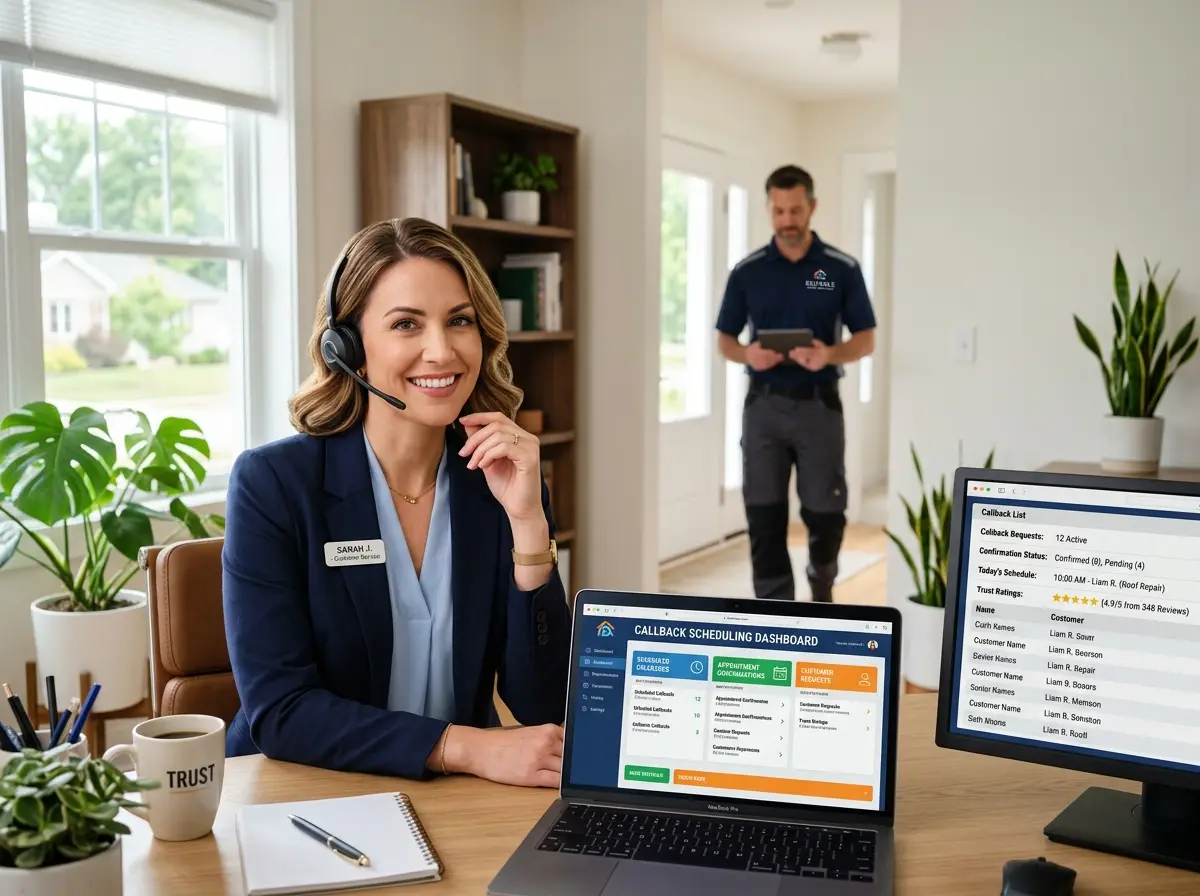
This is where technology earns its keep. Stella, the AI robot employee and phone receptionist, is built to handle exactly the kind of consistent, personalized communication that burns out front desk teams when done manually. On the phone side, Stella answers calls 24/7, handles appointment inquiries, and can walk clients through intake forms conversationally — collecting pet information, service history, and owner preferences without requiring a staff member to pick up the phone. That data flows directly into her built-in CRM, where it can be tagged, segmented, and used to trigger follow-up communications.
For clinics with a physical location, Stella's in-store kiosk presence means she's also greeting clients in the lobby, answering questions about wellness packages, and even promoting seasonal services like dental health month or senior screening specials — all without pulling a technician away from a patient room. She's the front desk that never calls in sick and never forgets to mention the heartworm promotion.
Building the System: Practical Steps for Veterinary Clinics
Audit Your Current Communication Gaps
Before you build anything new, you need an honest look at what's currently falling through the cracks. Pull a report of patients who haven't been seen in 12–18 months. Look at which services have the lowest completion rates — dental cleanings and senior wellness panels are usually the culprits. Review how many appointment reminders go unacknowledged and at what stage of the process clients tend to disengage. This audit isn't meant to be depressing; it's meant to be revealing. Once you can see where the holes are, you can start filling them intentionally.
Design Communication Templates That Sound Human
Generic reminder messages are easy to ignore. "Biscuit is due for his annual exam" is fine, but "Biscuit is turning 7 this year — did you know that's when we recommend starting annual bloodwork to catch early changes in organ function?" is a message that builds trust and demonstrates expertise. Take the time to write communication templates that reflect your clinic's voice, include educational context, and give clients a reason to act beyond just "you're overdue." Pet owners who feel informed are far more likely to follow through on recommended care.
Measure, Adjust, and Actually Use the Data
A wellness reminder system isn't a "set it and forget it" operation — at least not entirely. You should be reviewing response rates, appointment conversion, and reactivation numbers on a quarterly basis at minimum. Which message templates are getting responses? Which channel is driving the most bookings? Are certain patient segments consistently non-responsive? These insights tell you where to refine your approach. The clinics that see the biggest gains from proactive communication are the ones that treat it as a living strategy, not a one-time project.
Quick Reminder About Stella
Stella is an AI robot employee and phone receptionist designed to give businesses a reliable, professional presence without the overhead — answering calls 24/7, greeting clients in person at the kiosk, managing CRM data, and keeping communication consistent across every touchpoint. She runs on a straightforward $99/month subscription with no upfront hardware costs, making her an accessible upgrade for clinics of any size. If your front desk is stretched thin and your reminder system relies entirely on human memory, Stella is worth a serious look.
Conclusion: Stop Waiting for Patients to Come Back on Their Own
The veterinary practices that will thrive over the next decade are the ones building genuine relationships with pet owners — not just processing appointments and hoping clients return. A proactive wellness reminder system is one of the highest-leverage investments you can make in your clinic's long-term health, and the barrier to entry is lower than most owners assume.
Here's your action plan to get started:
- Run your lapsed patient audit this week and identify your top three communication gaps.
- Segment your patient base by life stage and service history so your outreach can be personalized and relevant.
- Draft three to five communication templates that reflect your clinic's voice and include educational value, not just reminders.
- Choose your channels — text, email, and phone — and establish a logical outreach sequence for each reminder type.
- Evaluate your tools and identify where automation can take the manual burden off your team without sacrificing the personal touch.
Biscuit deserves better than a postcard that arrives six weeks late. And your clinic deserves a communication system that actually works. The shift from reactive to proactive isn't a luxury — it's the standard your clients already expect, whether they know how to articulate it or not. Now's a great time to start delivering it.