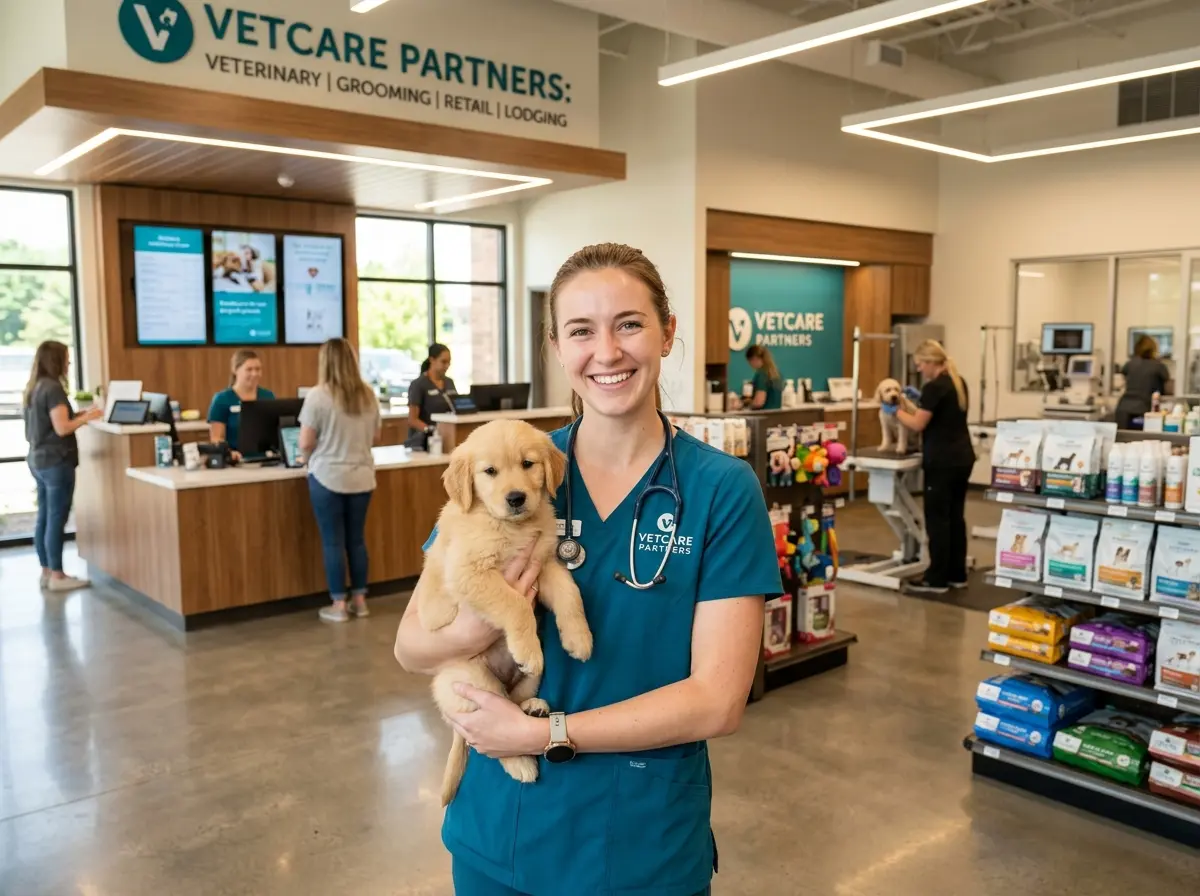
From Shampoo and Scissors to a One-Stop Pet Paradise
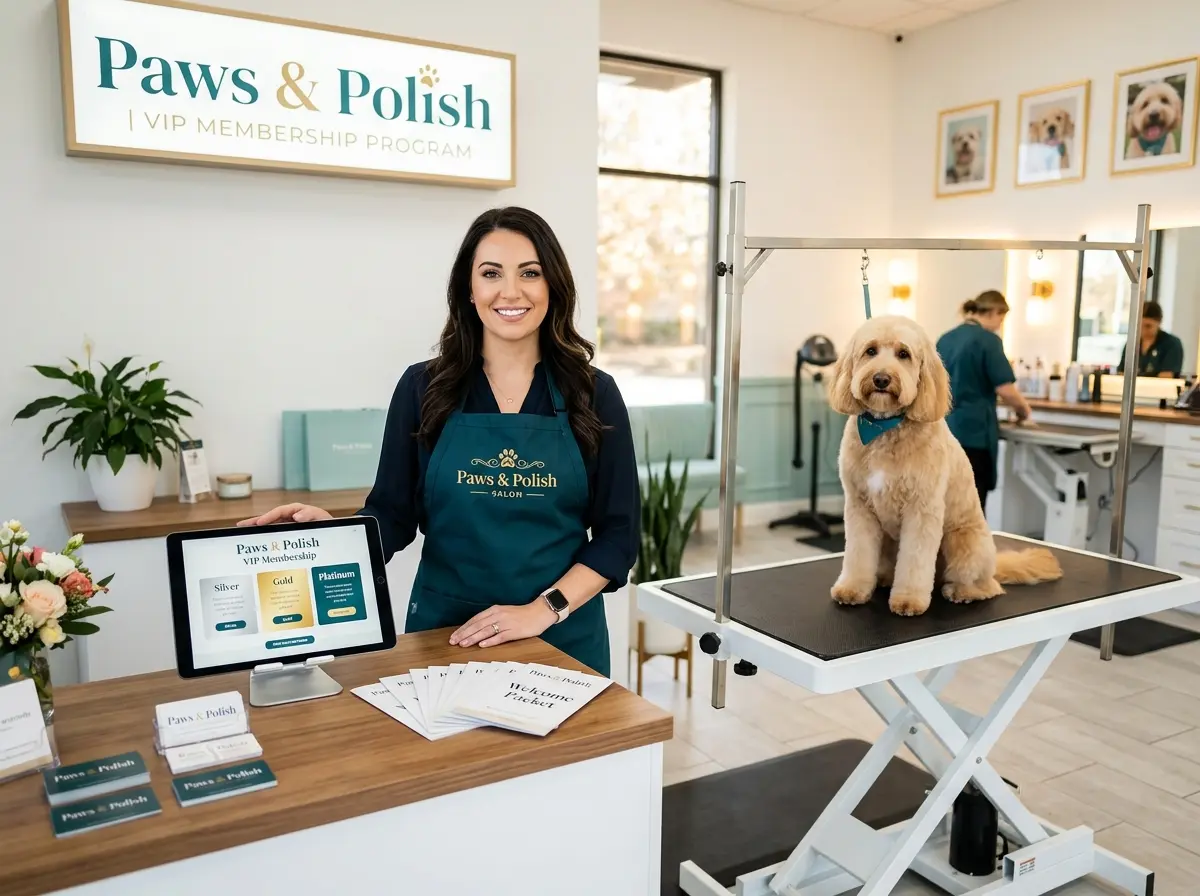
Picture this: a customer walks into your pet grooming shop, drops off their golden retriever for a bath and a trim, and then… leaves. They drive across town to pick up flea medication. They stop at another store for premium food. They schedule a vet visit somewhere else entirely. Meanwhile, you're standing there with scissors in hand, watching potential revenue walk right out the door alongside a freshly blow-dried labradoodle.
This is the quiet tragedy of the single-service business model — and it plays out in pet grooming shops, salons, gyms, and specialty retailers every single day. You've already done the hardest part: you earned the customer's trust. They're standing inside your shop. And yet, without a deliberate cross-sell strategy, you're leaving a significant portion of revenue on the table while your competitors are busy building full-service empires.
The good news? Cross-selling isn't rocket science. It's not even particularly complicated. It just requires intention, structure, and — as we'll explore — a little help from some surprisingly capable technology. Let's talk about how one grooming shop made the leap from "just grooming" to a thriving full-service pet care center, and how you can too.
Building the Foundation: Understanding What Your Customers Actually Need
Start With the Data You Already Have
Before you start stacking shelves with supplements and printing menus of add-on services, take a breath and do your homework. Cross-selling works best when it's rooted in genuine customer need — not just a desire to squeeze more dollars out of every visit. Fortunately, you don't need a market research firm to figure out what your customers want. You need to pay attention to what they're already asking for.
Think about the questions your front desk fields every single day. "Do you sell shampoo?" "Can you recommend a good flea treatment?" "Do you know anyone who does doggy daycare?" These aren't just casual inquiries — they're roadmaps. Every question a customer asks inside your shop is an invitation to serve them better. Start logging these questions, identify patterns, and you'll quickly see which adjacent services or products your customers are practically begging you to offer.
According to a McKinsey report, cross-selling can increase sales by 20% and profits by 30% in certain retail contexts. For a small business with a loyal, repeat customer base — like a pet grooming shop — the upside is arguably even higher, because the relationship is already there. You're not selling to strangers. You're offering more to people who already trust you.
Map Your Customer Journey
A pet owner's relationship with their animal isn't a single transaction — it's an ongoing, emotionally charged, financially significant journey. Grooming is one stop on a very long road that includes nutrition, healthcare, training, boarding, toys, accessories, and more. When you map out that journey, you start to see exactly where your business can show up in more meaningful (and profitable) ways.
Take the grooming appointment itself. A customer brings in their dog every six weeks. That's eight visits per year. Each visit is an opportunity to mention the new dental chew display near the register, ask if they've tried your new teeth-brushing add-on service, or hand them a flyer about the training class you've partnered with a local trainer to offer on weekends. None of this is pushy — it's genuinely helpful, and it positions you as the expert resource for everything pet-related in their life.
Know the Difference Between Cross-Selling and Upselling
These terms often get lumped together, but they serve distinct purposes. Upselling means encouraging a customer to upgrade what they're already buying — for example, moving from a basic bath to a deluxe grooming package with teeth brushing and nail buffing. Cross-selling means introducing something complementary — like recommending a shed-control shampoo to take home after a grooming appointment, or suggesting a monthly flea prevention product.
Both strategies work beautifully in a pet grooming context, but cross-selling has a particular advantage: it expands your business's perceived scope. Over time, customers stop thinking of you as "the groomer" and start thinking of you as "the place that handles everything for my pet." That mental shift is worth more than any single transaction.
Letting Technology Do the Heavy Lifting
Automate the Conversation So Your Staff Doesn't Have To
Here's the honest truth: your staff is busy. They're bathing dogs, answering phones, managing appointments, and trying not to get fur in their coffee. Expecting them to consistently and enthusiastically cross-sell to every single customer — while also doing their actual jobs — is optimistic at best and unrealistic at worst. This is where smart technology can genuinely change the game.
Stella, the AI robot employee and phone receptionist, is built exactly for this kind of role. Inside your shop, Stella stands as a friendly, human-sized kiosk that greets customers, tells them about current promotions, answers questions about your services and products, and — yes — proactively cross-sells and upsells based on what you've configured her to know. She doesn't get tired, doesn't forget to mention the monthly flea prevention bundle, and never has an off day. On the phone side, Stella answers calls 24/7, collects customer information through conversational intake forms, and can even log interaction data into her built-in CRM — giving you a clearer picture of what customers are asking about most, which is exactly the kind of insight that sharpens a cross-sell strategy over time.
For a grooming shop looking to grow, having a consistent, knowledgeable presence that handles both walk-ins and incoming calls without burning out your human team is less of a luxury and more of a competitive advantage.
Putting It Into Practice: Building Your Service Ecosystem
Start Small and Stack Strategically
You don't need to transform into a full pet care center overnight. In fact, trying to do too much too fast is one of the most reliable ways to do everything poorly. Instead, think in phases. Start by identifying the one or two services or products that are most naturally adjacent to grooming and most frequently requested by your customers. Retail products — shampoos, conditioners, brushes, and dental treats — are often the easiest first step because they require no additional staff, minimal training, and they reinforce your expertise every time a customer uses the product at home.
From there, you can explore service expansions like nail trims between grooming appointments, teeth brushing add-ons, or deshedding treatments. Once you've built those into your regular revenue stream, you might consider partnerships — with a local dog trainer, a mobile vet, or a pet photographer who can offer sessions in your space on weekends. Each layer adds value for your customers and revenue for your business without requiring you to completely reinvent yourself overnight.
Train Your Team and Set Clear Incentives
Even with the best technology and the smartest product mix, your human team remains your most powerful cross-sell asset. A warm, genuine recommendation from the person who just gave someone's beloved beagle a perfect haircut carries enormous weight. But recommendations don't happen consistently without training and motivation.
Build a simple script for common cross-sell moments — not something robotic, but a few natural conversation openers that your team can make their own. "I noticed Cooper's coat was a little dry today — have you tried a conditioning treatment at home?" Or, "We just started carrying a really great dental chew brand if you're looking for something between cleanings." Pair this with an incentive program that rewards staff for retail sales or add-on service bookings, and you'll find that cross-selling becomes part of your shop's culture rather than an awkward afterthought.
Measure, Adjust, and Double Down on What Works
Cross-selling isn't a set-it-and-forget-it strategy. You need to track what's actually moving the needle. Which add-on services are being booked most often? Which retail products sell out and which collect dust? Which promotions generate the most customer questions? This data tells you where to invest more and where to cut your losses — and it gets sharper over time if you're collecting it consistently.
Set a monthly review habit. Look at your numbers, talk to your staff about what customers are responding to, and adjust your approach accordingly. The pet grooming shops that successfully evolve into full-service pet care centers aren't the ones that had the most brilliant initial plan — they're the ones that stayed curious, kept experimenting, and actually paid attention to results.
A Quick Reminder About Stella
Stella is an AI robot employee and phone receptionist designed to help businesses like yours grow without adding overhead. She greets customers in-store, promotes your services and deals, and answers calls around the clock — all for just $99/month with no upfront hardware costs. Whether you're running a grooming shop, a retail boutique, or any other customer-facing business, Stella shows up every day ready to work, so you and your team can focus on what you do best.
The Bottom Line: Your Customers Want More From You — Give It to Them
The grooming shop that inspired this post didn't become a full-service pet care center by accident. It happened because the owner looked at what customers were asking for, built a deliberate strategy around those needs, brought in the right tools to support consistency, and kept refining the approach based on real results. It wasn't glamorous. It wasn't instant. But it was entirely doable — and the revenue transformation was very real.
Your action plan is simpler than you might think:
- Audit your current customer interactions to identify the most common questions and unmet needs.
- Choose one or two adjacent products or services to introduce in the next 30 days.
- Train your team with natural, low-pressure cross-sell conversation starters.
- Consider technology that can handle consistent promotion and customer engagement without taxing your staff.
- Track your results monthly and adjust based on what's actually working.
Your customers already trust you with their pets — arguably some of the most beloved members of their families. That trust is the foundation of an extraordinary business relationship. A smart cross-sell strategy doesn't exploit that trust; it honors it by making you more useful, more comprehensive, and more indispensable in their lives. And that, ultimately, is how a grooming shop becomes something much, much bigger.